

Published on: 05/18/2026
This news was posted by Oregon Today News


Description

It turns out there are companies that make fake moon dirt.
And there are different kinds of simulated moon dirt, or regolith, depending on whether it’s mimicking the higher basalt content of the dark areas of the moon, the Mare, or the lighter-colored highland areas.
So, why would a lab at Oregon State University need large quantities of fabricated moon dirt?
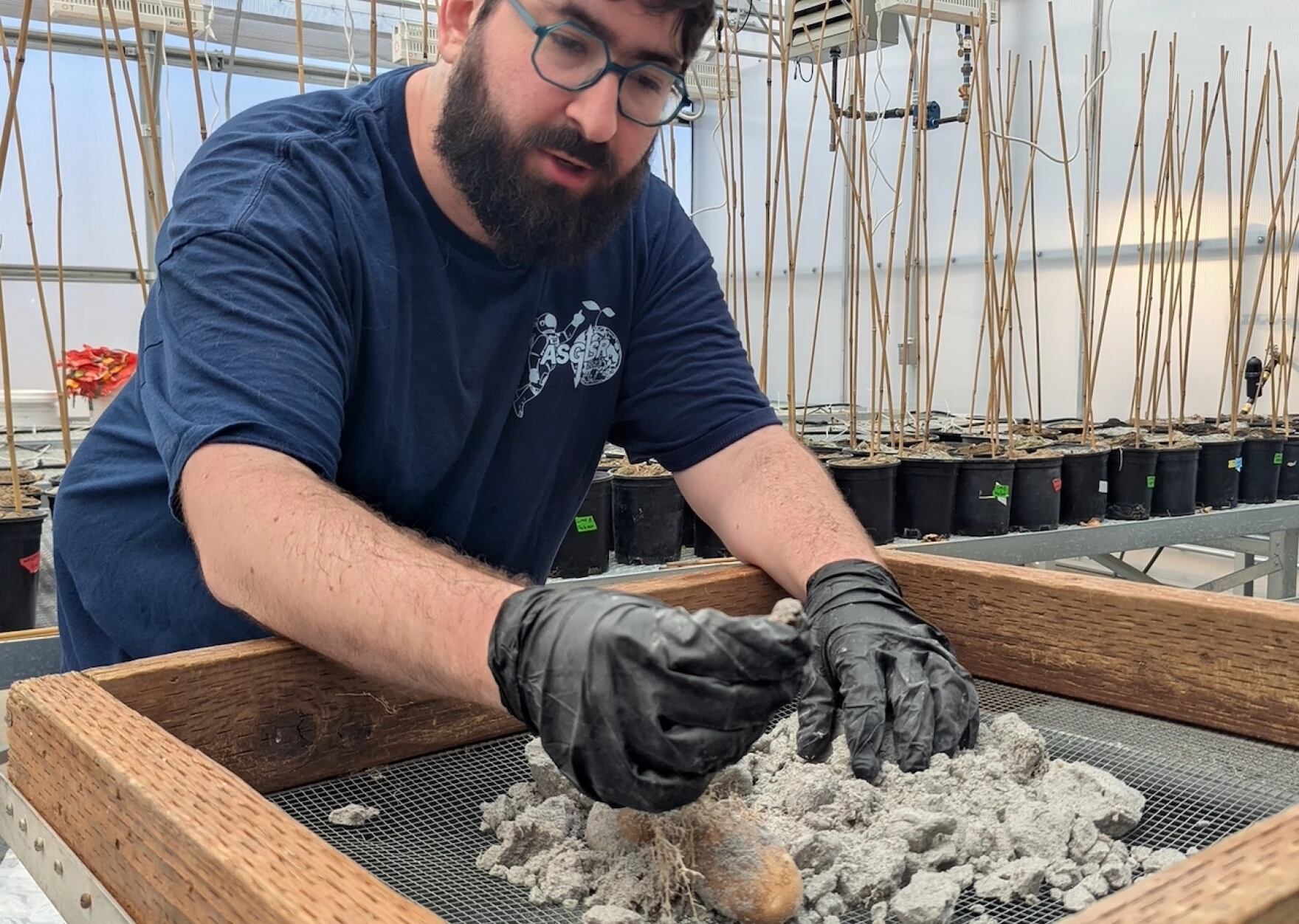
It’s to test the feasibility of growing potatoes on the moon, said OSU postdoctoral scholar David Handy.
Handy describes himself as a space biologist. It’s a club with only a small number of members, he said.
Handy’s NASA-funded study won’t simulate solar radiation or the lack of gravity. But the OSU scientists are playing with the dials of several other factors, including varieties of potatoes, the ratio of organic matter, and the types of dirt that lunar farmers might someday encounter.
“Some companies find a region on Earth that has similar mineralogy, maybe add a couple things to make it more accurate, and then they will basically just dig that up and ship it,” Handy said. “Other companies will take pure bulk minerals and grind those down and mix them into proportionate ratios, based on the data that we have, to make it accurate to the moon.”
Using simulated lunar dirt alone, Handy found the plants were stunted and without much usable tissue. Plants that had 15% or 30% of compost added did much better. Handy said the goal is to find the minimum amount of compost needed.
“We can’t just ship metric tons of compost to the moon,” Handy told KLCC. “The way that we would introduce that is through multiple generations. So, probably the first few generations of plants grown on the moon would not actually be for consumption by astronauts, but as essentially till-in crops.”
Handy pointed to clover as one option to build up organic matter.
Anyone who’s read or seen “The Martian” will wonder if organic matter could come from human waste. Handy said that will be part of the research.
“We can’t just throw that out, because that would be very wasteful and we’re trying to have a sustainable presence on the moon,” he said.
Handy said it would probably look like a septic tank system, in which wastewater is sterilized and treated before heading into the agricultural beds.
Handy’s lab is conducting two main experiments. The first uses several varieties of simulated moon dirt and varying levels of compost. The other, which he’s working on now, tests 10 different potato types to determine if one is more easily grown than the others in the chosen substrate.
“Even just digging them up,” he said, “I can clearly see, ‘oh, there’s a lot more potatoes in this one versus that one.’ Or ‘these potatoes got a lot bigger in this soil versus that soil.’ And so it’s very fun to see.”
Handy said these experiments can also inform how to grow crops in inhospitable places on Earth, such as inner cities, deserts, and other areas with poor soil.
Karen Richards is a reporter with KLCC.
This story comes to you from the Northwest News Network, a collaboration between public media organizations in Oregon and Washington.
It is part of OPB’s broader effort to ensure that everyone in our region has access to quality journalism that informs, entertains and enriches their lives. To learn more, visit our journalism partnerships page.
News Source : https://www.opb.org/article/2026/05/18/an-osu-lab-is-experimenting-to-see-how-potatoes-might-grow-on-moon/
Other Related News

05/18/2026
A woman who survived both World Trade Center attacks is now battling a disorder she descri...
05/18/2026
The deal will create the worlds largest regulated electric utility business according to t...
05/18/2026
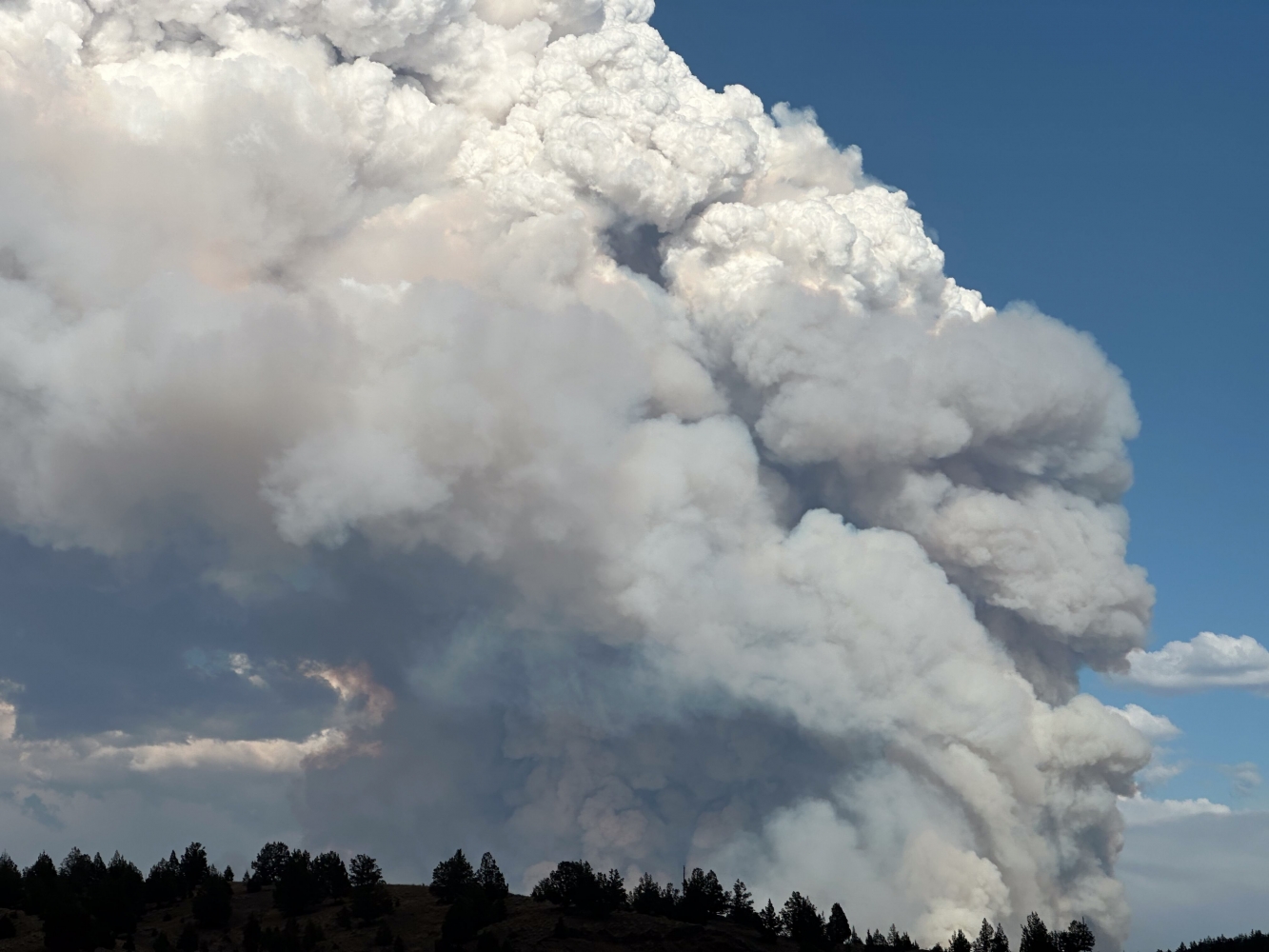
As wildfires grow larger and more destructive across the West state governments are having...
05/18/2026
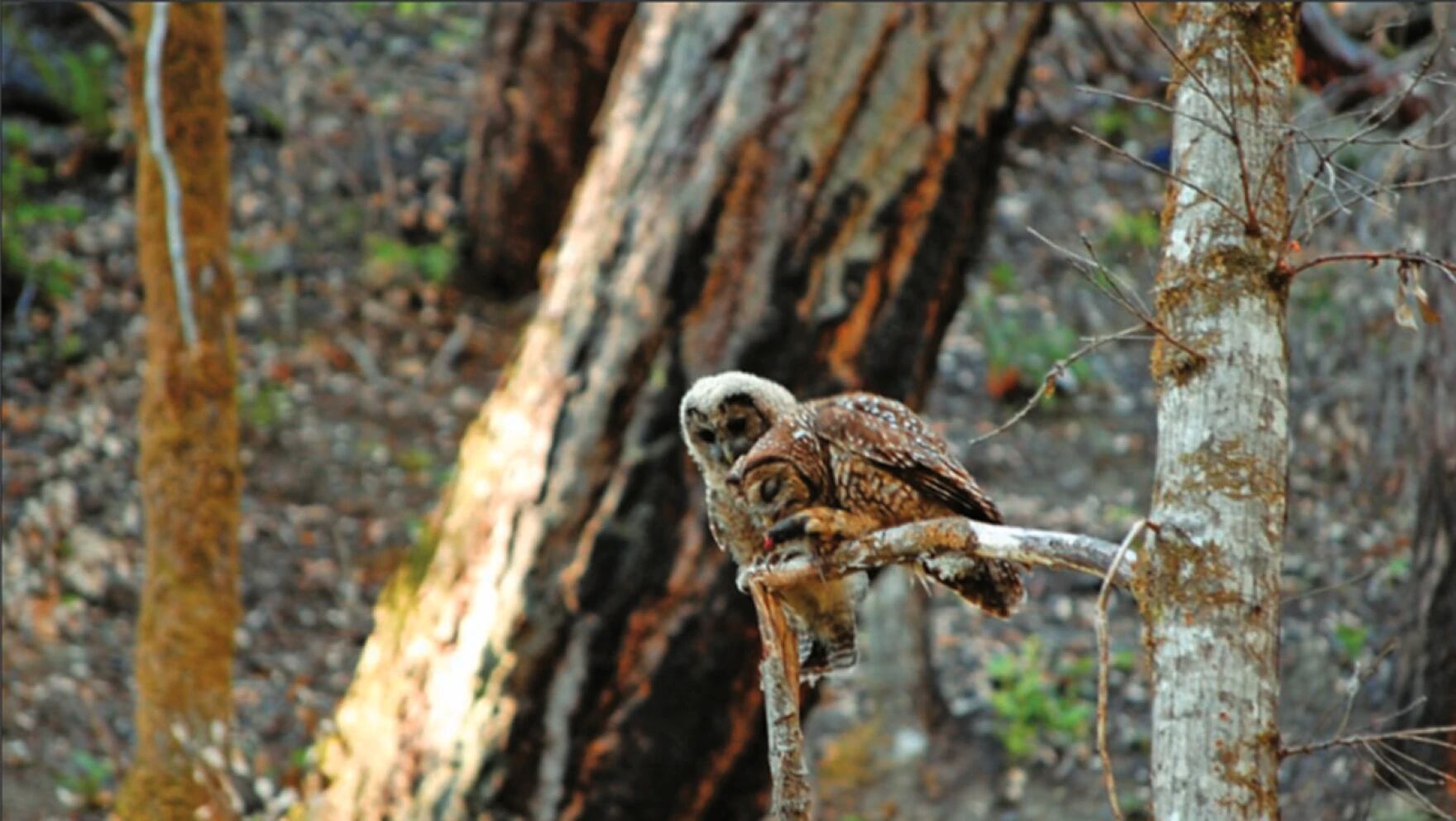
Oregon researchers say forest thinning practices dont have to clash with efforts to protec...

05/18/2026
When Aiden Wolf learned he had the chance to attend Whitman College on a new scholarship f...

Follow

Download Our App


Copyright 2022 © EPUERTO. All Rights Reserved