

Published on: 02/18/2026
This news was posted by Oregon Today News


Description

Long-raging debates about Oregon’s tax on a dead person’s estate have given way to something novel this year: A bill to change that tax is very much alive in Salem.
Senate Bill 1511, which advanced from committee Wednesday, offers a little for people on both sides of the argument over Oregon’s 14-year-old estate tax.
For business groups and Republicans that cast the tax as a reason for well-off people to move elsewhere, the bill sharply reduces how many people would pay the tax moving forward.
For progressive-minded organizations concerned that changes would eat into the nearly $1 billion per biennium the state reaps from wealthier people, SB 1511 is largely revenue neutral — at least initially.
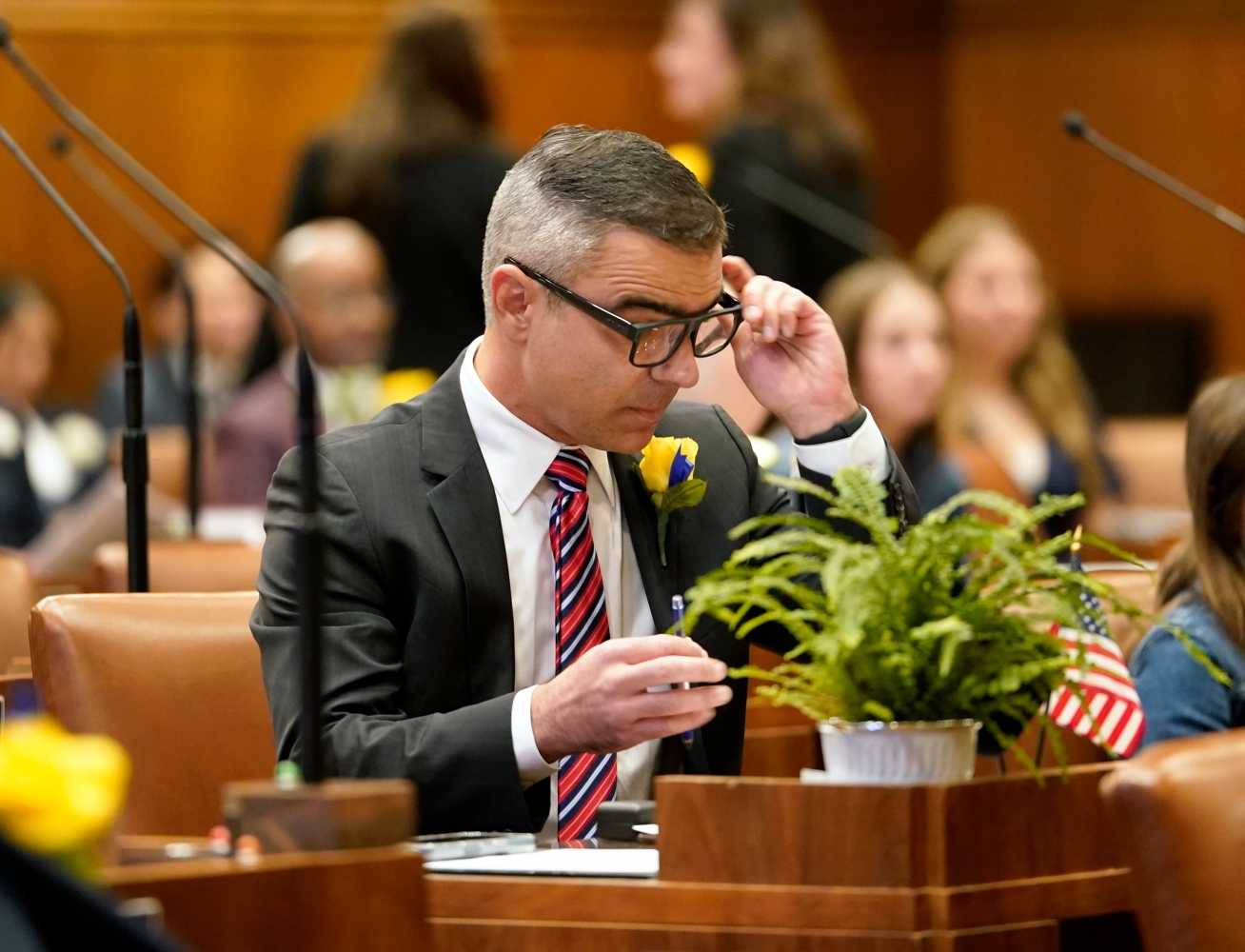
“This is the middle-class tax relief that our constituents are asking for,” said state Sen. Anthony Broadman, D-Bend, an architect of SB 1511, shortly before the bill passed out of the Senate Finance and Revenue Committee.
Oregon is currently one of 12 states that slap a tax on the assets that residents pass on when they die. And the Beaver State has the lowest threshold for doing so. Estates worth more than $1 million are subject to a tax of between 10% and 16%, depending on how large they are.
The $1 million threshold has not changed since lawmakers instituted the tax in its present form in 2011. It currently affects 5% of estates, according to an analysis from the progressive nonprofit Oregon Center for Public Policy.
Yet because property is often one large piece of a dead person’s taxable assets, the tax has roped in more estates as the price of West Coast real estate has increased.
“The nurses, the police officers, the firefighters who purchased a home in 2005 for $200,000 are finding themselves subject to filing an estate tax return,” Broadman said.
Republicans and businesses have argued for years that the estate tax encourages people in their later years to leave the state. They have advocated for either abolishing the tax or raising the $1 million threshold.
Broadman is advocating the latter. SB 1511 would elevate the floor for paying the tax to estates that are worth $2.5 million or more. That would either eliminate or reduce estate taxes for roughly three quarters of returns that paid estate taxes in 2023, according to the Legislative Revenue Office.
The $2.5 million threshold would rise with inflation.
To make up for fewer households owing the tax, SB 1511 would hit wealthier residents harder. For estates worth $2.9 million and up, the bill would raise tax rates by between 2.75% and 4.25%. The tax would top out at 19.9% for estates of more than $8.5 million, among the highest rates in the nation.
The mix of fewer people paying the tax and higher rates for those who do is expected to have little effect on how much money flows into the state in the current two-year budget cycle.
But the impacts would ramp up once the $2.5 million baseline for owing the estate tax begins to rise with inflation. Revenue office staffers say the state could see $35 million less in the 2029-31 biennium, a reduction of about 2.5% from current estimates.
Oregon is not the only Pacific Northwest state considering estate tax changes this year. Washington lawmakers increased their estate tax’s maximum rate to 35% last year. They are now having second thoughts amid worries the change will convince wealthy residents to live elsewhere.
SB 1511 also arises as one state lawmaker is looking to abolish the estate tax completely. State Rep. Kevin Mannix, R-Salem, is the chief sponsor of an effort to land an estate tax repeal on the November ballot. That campaign has shown few signs of raising or spending money, but Mannix said Wednesday he is “continuing to work to repeal the Death Tax by initiative.”
“I will wait to see what SB 1511 does if it comes over [to the House],” he said in a text message, adding: “The desire to be ‘revenue neutral’ bedevils this legislation.”
Lobbying groups that represent Oregon businesses and banks support SB 1511’s notion of raising $1 million floor for estate taxes, but say lawmakers aren’t going far enough. A $2.5 million threshold would still leave Oregon’s limit lower than 9 of the 11 other states that impose an estate tax.
“This exemption adjustment, while moving in a positive direction, is still lower than the exemption in Washington,” the Oregon Bankers Association wrote in testimony, referencing a $3 million threshold for Washington’s estate tax.
Business types also take issue with the idea of raising taxes. And one leading lobbying group says lawmakers are courting a lawsuit.
Under Oregon’s constitution, bills that raise revenue must originate in the House, not the Senate. Oregon Business & Industry, the state’s largest business lobby group, told lawmakers that the bill would increase taxes for some people and so could be found unconstitutional because it began in the Senate.
State Sen. Mike McLane, R-Powell Butte, introduced an amendment Wednesday that would have eliminated SB 1511’s tax rate increases. It failed to advance along party lines.
Meanwhile, the state’s largest public employee union argues the bill will wind up exempting too many people.
Service Employees International Union Local 503 said in testimony that it supports raising tax rates and doesn’t mind increasing the state’s tax threshold to $2.5 million. But the union balked at the notion of allowing that threshold to rise with inflation, which would eat into state revenues over time.
“Any change must weigh the aims of benefits to the 5% [of estates that pay the tax] against the impacts to our budget,” SEIU 503 wrote in submitted testimony. “Especially at a time when wealth inequality is near an all-time high and the gap between the wealthiest Oregonians and the poorest is growing.”
News Source : https://www.opb.org/article/2026/02/18/estate-tax-oregon-raise-rate/
Other Related News

02/18/2026
We have a visitor Maybe not a streaker but we certainly have somebody who wants to be part...
02/18/2026
Oregon Senate Republicans on Wednesday boycotted an afternoon floor session successfully ...
02/18/2026
Democrats on the Senate Revenue Committee settled Wednesday on a plan to stop taxing Orego...
02/18/2026
The Masked Singer is returns with Season 14 Episode 8 tonight Wednesday Feb 18 at 8 pm on ...
02/18/2026
Trump has hosted a White House reception for Black History Month less than two weeks after...

Follow

Download Our App


Copyright 2022 © EPUERTO. All Rights Reserved