

Published on: 12/27/2025
This news was posted by Oregon Today News


Description

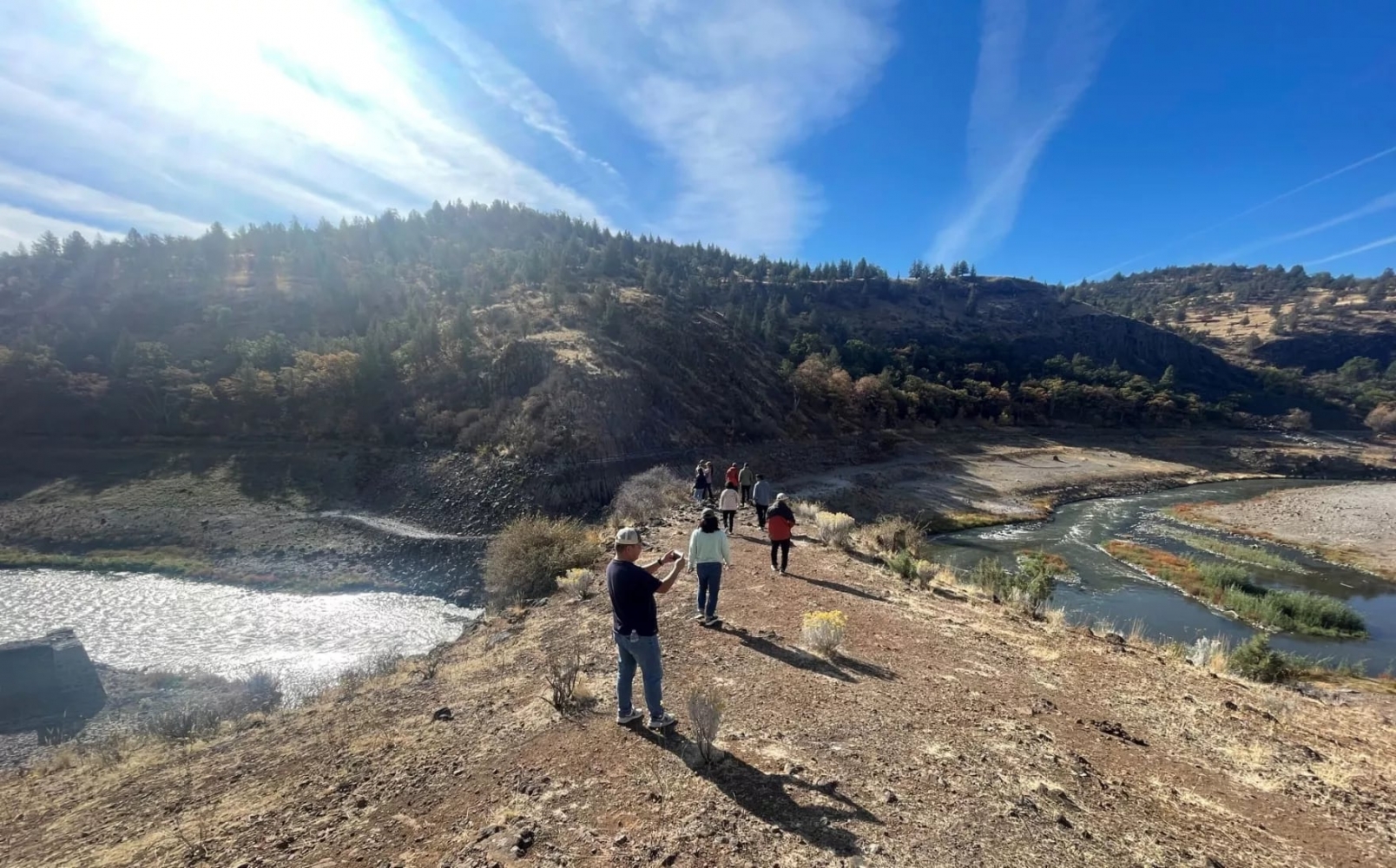
Mongolian scientists and officials have made multiple trips to Oregon and California to study the impacts of damming — and undamming — as the East Asian country explores hydroelectric projects.
A coalition of state and tribal partners completed the largest undamming project in U.S. history along the Klamath River last year. Since then, the nonprofit Klamath River Renewal Corporation has overseen a massive restoration effort, which includes planting billions of seeds.
Saulyegul Avlyush, who works with the Oregon-based conservation group Wild Salmon Center, was one of those scientists from Mongolia who visited the Klamath River in October. She said her country is looking at hydroelectric, in part, to support energy independence from neighboring countries like Russia. Her country is also seeking more opportunities for clean power.
But, she said, visiting sites in Northern California has put the potential costs into perspective
“It’s so expensive,” Avlyush said. “It’s expensive for us Mongolians to construct these dams, but it’s also so expensive to remove the dams.”
She said those costs are not just financial.
Mongolian scientists learned more about water quality and sediment issues from damming, as well as the infrastructure’s impact on fish populations.
“We really learned the river corridors and connecting the rivers are very important for the fish,” Avlyush said.
Mongolia is home to the world’s largest species of salmon — the Siberian taimen. The freshwater fish can grow over five feet long in the landlocked country.
Avlyush said scientists were pleased to see such a fast recovery of local salmon populations in a free-flowing Klamath River.
“We also learned we should really work closely with our local communities,” she said.
Avlyush explained there are some big differences between Mongolia and Northern California. Her country is far colder in the winter, with longer freezing periods that impact river flows.
But, she said, Mongolian officials and scientists are grappling with the same issues found in the U.S. — balancing clean energy production with conservation.
Justin Higginbottom is a reporter with Jefferson Public Radio. This story comes to you from the Northwest News Network, a collaboration between public media organizations in Oregon and Washington.
It is part of OPB’s broader effort to ensure that everyone in our region has access to quality journalism that informs, entertains and enriches their lives. To learn more, visit our journalism partnerships page.
News Source : https://www.opb.org/article/2025/12/27/mongolian-scientists-study-klamath-river/
Other Related News

12/27/2025
On Saturday at 1156 am the National Weather Service released an air stagnation advisory va...
12/27/2025
A woman faces multiple charges after a crash that killed her passenger early Saturday on L...
12/27/2025
The Shoshone County Sheriff says three people were injured during a shooting at the Shosho...
12/27/2025
A new state survey suggests the public supports a move from 08 to 05 blood alcohol content
12/27/2025
The crash forced a woman to have a pre-term C-section delivering her newborn at 27 weeks

Follow

Download Our App


Copyright 2022 © EPUERTO. All Rights Reserved