
For the best experienceDownload the Mobile App
App Store Play Store

Local News & Alerts

Date Range

Clear
Want to contribute your own news?

Are you a local entity that would like to contribute local news within our app and website?

Click request below and give us details!

Request

Total Items 91829

TRADITIONS This morning, the Class of 2026 Graduates took a nostalgic walk through Kalmiopsis Elementary, Azalea Middle... Featured News by Brookings-Harbor High School
TRADITIONS This morning the Class of 2026 Graduates took a nostalgic walk through Kalmiops... More

05/29/2026

We're hiring a Deputy Parks and Recreation Director. To learn more about this role, click here: https://www.governmentjobs.com/careers/%7B0%7Dtualatinor/jobs/newprint/5355122 Featured News by City of Tualatin
Bondi doubles down on handling of Epstein files in testimony to Congress Featured News by Oregon Today News
Former Attorney General Pam Bondi testified Friday before House lawmakers that she is prou... More

05/29/2026

Federal judge rules President Trump's name was illegally added to Kennedy Center Featured News by Oregon Today News
Congress gave the Kennedy Center its name and only Congress can change it a federal judge ... More

05/29/2026

WHO chief lands in Congo to address rare Ebola outbreak amid distrust and insecurity Featured News by Oregon Today News
The head of the World Health Organization arrived in Congos capital Kinshasa late Thursday... More

05/29/2026

Oregon State baseball vs. Washington State: Eugene Regional live updates Featured News by Oregon Today News
EUGENE We are live from PK Park for todays Eugene Regional game between Oregon State and ... More

05/29/2026

Portland closes Burnside Bridge Saturday for centennial event Featured News by Oregon Today News
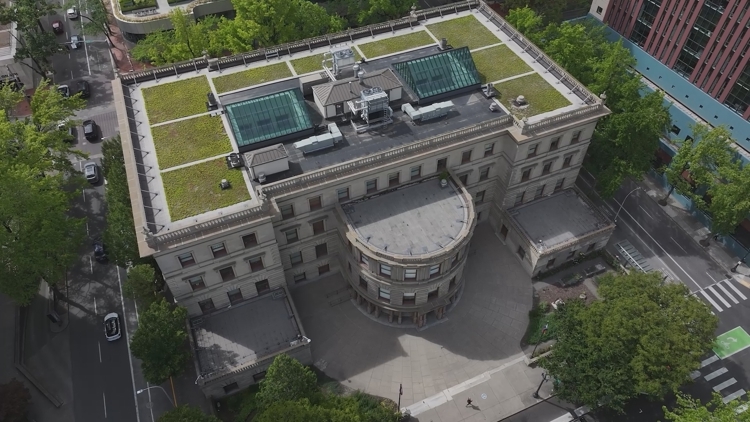
Portlands Burnside Bridge turned 100 years old on Thursday and the city is closing it to a... More

05/29/2026

Go Bruins!Bruins wrapped up Day 1 at OSAA 3A Track & Field State Championships on Thursday and are on Day 2 today at Hay... Featured News by Brookings-Harbor High School
Go BruinsBruins wrapped up Day 1 at OSAA 3A Track Field State Championships on Thursday a... More

05/29/2026

Oregon man sentenced to 50 months in federal gun trafficking case Featured News by Oregon Today News
An Oregon man has been sentenced to more than four years in federal prison for his role in... More

05/29/2026

10 Simple tips to Save Water at Home this Summer Featured News by Oregon Today News
With much of Oregon facing drought this summer here are some tips on what you can do in or... More

05/29/2026

Sex Offender Accused of Kidnapping, Attempted Assault of 2 Women in Oregon Campground Featured News by Oregon Today News
Authorities arrested Gene Arnold McLenithan on Thursday in connection with a kidnapping an... More

05/29/2026

More than 400K Jeep vehicles under recall over airbag sensor issue Featured News by Oregon Today News
A faulty sensor may lead to a delayed deployment of the airbag during certain crashes and ... More

05/29/2026

Russian drone launched against Ukraine crashes in Romania, injuring 2 Featured News by Oregon Today News
A Russian drone that was part of an overnight attack on Ukraine crashed into an apartment ... More

05/29/2026

Asia defense summit opens amid doubts over U.S. priorities Featured News by Oregon Today News
Chinas rapid military modernization and assertiveness in the Indo-Pacific and growing conc... More

05/29/2026

BUILDING SAFETY MONTH COMMUNITIES WITHOUT LIMITS  
  
Creating a truly safe community means ensuring every person, regardless of age, ability or circumstance, can move through and use the spaces around them. Communities without limits embrace built environments that are welcoming, intuitive and enjoyable by all. This begins with eliminating physical, sensory and cognitive barriers that prevent people from fully navigating homes, buildings and public spaces to their fullest extent.  
  
Accessibility is Inclusivity   
  
When spaces are easy to understand and easy to navigate, they work better for everyone, from children and seniors to people recovering from injury or living with disabilities. Accessible environments are intentionally designed to support the widest range of users. That includes:  
•Removing obstacles such as narrow pathways, abrupt level changes or confusing layouts  
•Considering sensory needs by incorporating clear signage, visual contrast and auditory cues  
•Supporting cognitive accessibility through straightforward wayfinding, simple instructions and predictable design  
  
Accessibility Basics at Home and in the Community   
  
Meeting accessibility standards is an essential part of building safety. These standards aren’t just legal expectations, they are the building blocks that allow everyone to participate fully in daily life. Foundational features found in the 2010 ADA Standards for Accessible Design, the Fair Housing Accessibility Guidelines and the I-Codes working with ICC A117.1 support usability and safety in homes, workplaces and public spaces. These may include:  
•Step-free accessible entrances and exterior routes  
•Clearance at elements and fixtures for people using wheelchairs and other mobility devices  
•Grab bars or reinforcement in bathroom walls  
•Accessible operable parts, such as switches, outlets and appliance and plumbing controls, HVAC controls  
•Properly designed ramps with edge protection, guards and handrails  
•Maneuvering clearances or automatic openers at doors  
•Tactile and high-contrast visual signage for wayfinding  
•Accessible parking spaces and passenger loading zones  
•Planning for accessible means of egress to include everyone who may need assistance  
  
Accessibility Enhances Safety for All   
  
Accessible design is fundamentally safe design. A more accessible built environment is easier to evacuate, easier to navigate and easier to use, which benefits every member of the community. Involving a diverse range of stakeholders, especially people with disabilities, in planning, design and decision making ensures spaces reflect real experiences and real needs. Features that support people with disabilities also improve safety during:  
•Emergencies, visual alarms, two-way communication systems, clear informational signage and intuitive layouts can save lives  
•Transitions, incorporating access into the main circulations paths for entering or exiting buildings or moving between different levels and floors  
•Everyday activities, navigating and using shared community spaces, equal access to services and inclusion in dining and work areas  
  
In Closing   
  
We all play a significant role in ensuring our homes and communities are constructed and maintained to modern building safety standards.  
  
Step One:  
Identify the adopted building safety codes where you live.   
Visit the Federal Alliance for Safe Homes (FLASH) website(https://inspecttoprotect.org/) and enter your zip code into their Strong Home Scale to find the model code status of your home based on available data. Here you’ll also learn about the potential threats to your home based on community disaster history, and what upgrades may increase your home’s resilience.  
  
Step Two:  
Visit ICC’s code adoption map (https://codes.iccsafe.org/codes/united-states) and Codes Save (https://www.iccsafe.org/codessave/) to determine if your state or community has adopted up-to-date codes for new construction. If improvements are needed, determine if the codes in your state are adopted at the state or local level.  
  
Step Three:  
Ask public officials to advocate for change (https://www.usa.gov/elected-officials). This might be a building official, a city council person or county commissioner, or a state building code board or legislator.  
  
After you find your state’s information on ICC’s Code Adoption Map (https://codes.iccsafe.org/codes/united-states) click on the blue button “State Information and Resources” to learn more.  
  
Step Four:   
Get ready to take action.  
  
If building codes are considered by your city council or county commission, consider attending a meeting. Depending on the meeting, you can speak during an open comment time or when an item is considered on the agenda. Call the clerk’s office to find out the meeting date, location and rules for participating.  
  
If building codes are considered by a state board, many of the meetings are available to view online. There is also typically a way to provide public comment in writing or at a specific time in a regularly scheduled meeting.  
  
If building codes are considered by your state legislature, contact your legislators, either by phone, email or an in-person visit to an office.  
  
Step Five:  
Ask for change. Here are a few talking points on why adopting and enforcing modern building codes is important:  
•Adopting and implementing modern building codes, like the International Codes® (I-Codes), protects homes and families from extreme weather and other hazards and reduces the cost of living by curbing utility bills, insurance premiums, and repairs and maintenance all without impacting housing affordability.   
•Widespread adoption of modern building codes at the state and local levels can lower construction costs, increase efficiencies for builders and manufacturers and encourage economic investment through minimized risk and reduced borrowing costs for communities.   
•Updated codes save time and resources after a disaster. The National Institute of Building Sciences found that the adoption of the most current edition of the I-Codes generates a national benefit of $11 for every $1 invested in mitigation and recovery costs.   
•As technology around the building trades evolves and becomes more advanced, so do the I-Codes. Every three years, ICC begins a new code cycle to ensure that the I-Codes reflect the latest innovations in building science.   
  
By advocating for the adoption and implementation of modern codes and standards, you help to create a safer, more resilient community for everyone. Featured News by City of Coos Bay
BUILDING SAFETY MONTH COMMUNITIES WITHOUT LIMITS Creating a truly safe community means ensuring every person, regardless of age, ability or circumstance, can move through and use the spaces around them. Communities without limits embrace built environments that are welcoming, intuitive and enjoyable by all. This begins with eliminating physical, sensory and cognitive barriers that prevent people from fully navigating homes, buildings and public spaces to their fullest extent. Accessibility is Inclusivity When spaces are easy to understand and easy to navigate, they work better for everyone, from children and seniors to people recovering from injury or living with disabilities. Accessible environments are intentionally designed to support the widest range of users. That includes: •Removing obstacles such as narrow pathways, abrupt level changes or confusing layouts •Considering sensory needs by incorporating clear signage, visual contrast and auditory cues •Supporting cognitive accessibility through straightforward wayfinding, simple instructions and predictable design Accessibility Basics at Home and in the Community Meeting accessibility standards is an essential part of building safety. These standards aren’t just legal expectations, they are the building blocks that allow everyone to participate fully in daily life. Foundational features found in the 2010 ADA Standards for Accessible Design, the Fair Housing Accessibility Guidelines and the I-Codes working with ICC A117.1 support usability and safety in homes, workplaces and public spaces. These may include: •Step-free accessible entrances and exterior routes •Clearance at elements and fixtures for people using wheelchairs and other mobility devices •Grab bars or reinforcement in bathroom walls •Accessible operable parts, such as switches, outlets and appliance and plumbing controls, HVAC controls •Properly designed ramps with edge protection, guards and handrails •Maneuvering clearances or automatic openers at doors •Tactile and high-contrast visual signage for wayfinding •Accessible parking spaces and passenger loading zones •Planning for accessible means of egress to include everyone who may need assistance Accessibility Enhances Safety for All Accessible design is fundamentally safe design. A more accessible built environment is easier to evacuate, easier to navigate and easier to use, which benefits every member of the community. Involving a diverse range of stakeholders, especially people with disabilities, in planning, design and decision making ensures spaces reflect real experiences and real needs. Features that support people with disabilities also improve safety during: •Emergencies, visual alarms, two-way communication systems, clear informational signage and intuitive layouts can save lives •Transitions, incorporating access into the main circulations paths for entering or exiting buildings or moving between different levels and floors •Everyday activities, navigating and using shared community spaces, equal access to services and inclusion in dining and work areas In Closing We all play a significant role in ensuring our homes and communities are constructed and maintained to modern building safety standards. Step One: Identify the adopted building safety codes where you live. Visit the Federal Alliance for Safe Homes (FLASH) website(https://inspecttoprotect.org/) and enter your zip code into their Strong Home Scale to find the model code status of your home based on available data. Here you’ll also learn about the potential threats to your home based on community disaster history, and what upgrades may increase your home’s resilience. Step Two: Visit ICC’s code adoption map (https://codes.iccsafe.org/codes/united-states) and Codes Save (https://www.iccsafe.org/codessave/) to determine if your state or community has adopted up-to-date codes for new construction. If improvements are needed, determine if the codes in your state are adopted at the state or local level. Step Three: Ask public officials to advocate for change (https://www.usa.gov/elected-officials). This might be a building official, a city council person or county commissioner, or a state building code board or legislator. After you find your state’s information on ICC’s Code Adoption Map (https://codes.iccsafe.org/codes/united-states) click on the blue button “State Information and Resources” to learn more. Step Four: Get ready to take action. If building codes are considered by your city council or county commission, consider attending a meeting. Depending on the meeting, you can speak during an open comment time or when an item is considered on the agenda. Call the clerk’s office to find out the meeting date, location and rules for participating. If building codes are considered by a state board, many of the meetings are available to view online. There is also typically a way to provide public comment in writing or at a specific time in a regularly scheduled meeting. If building codes are considered by your state legislature, contact your legislators, either by phone, email or an in-person visit to an office. Step Five: Ask for change. Here are a few talking points on why adopting and enforcing modern building codes is important: •Adopting and implementing modern building codes, like the International Codes® (I-Codes), protects homes and families from extreme weather and other hazards and reduces the cost of living by curbing utility bills, insurance premiums, and repairs and maintenance all without impacting housing affordability. •Widespread adoption of modern building codes at the state and local levels can lower construction costs, increase efficiencies for builders and manufacturers and encourage economic investment through minimized risk and reduced borrowing costs for communities. •Updated codes save time and resources after a disaster. The National Institute of Building Sciences found that the adoption of the most current edition of the I-Codes generates a national benefit of $11 for every $1 invested in mitigation and recovery costs. •As technology around the building trades evolves and becomes more advanced, so do the I-Codes. Every three years, ICC begins a new code cycle to ensure that the I-Codes reflect the latest innovations in building science. By advocating for the adoption and implementation of modern codes and standards, you help to create a safer, more resilient community for everyone.
BUILDING SAFETY MONTH COMMUNITIES WITHOUT LIMITS Creating a truly safe community means en... More

05/29/2026

Here's how we're coping with high gas prices, according to Costco and Walmart Featured News by Oregon Today News
Stay up to date with our Up First newsletter sent every weekday morningIn the hunt for che... More

05/29/2026

Louisiana lawmakers pass a congressional map to dismantle a majority-Black district Featured News by Oregon Today News
Republicans in the Louisiana legislature have approved a new congressional map ahead of th... More

05/29/2026

Bicyclists keep riding through closed highways, and ODOT is fed up Featured News by Oregon Today News
What part of Road Closed did you not get ODOT is asking bicyclists to stop skirting the ru... More

05/29/2026

Flags to fly at half-staff for one week in memory of those lost in Longview plant disaster Featured News by Oregon Today News
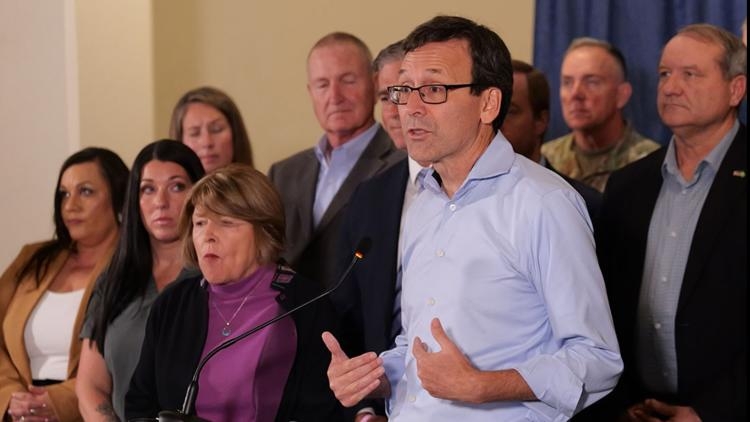
Washington Gov Bob Ferguson said on Friday that flags will be flown at half-staff beginnin... More

05/29/2026

Asking Eric: ‘Clean’ driving record won’t stop officials from pulling license of older driver Featured News by Oregon Today News
Dear Eric We have a family member who has worked in public service for decades think firem... More

05/29/2026

ShoutoutGive Shoutout
500/500