


Published on: 05/26/2026
This news was posted by JC News


Description
OEM release - 2026 Wildfire Awareness Month: Have a Plan, Build a Go-bag, Get Insured, Be Ready to Evacuate - Evacuation Levels. SALEM, Ore. -- Oregon is going to be a tinderbox this wildfire season. With counties across the state already declaring drought emergencies, we are heading into what will be one of the driest seasons in more than a decade. As a result, the Oregon Department of Emergency Management (OEM) is asking you to get ready now: Pack your go-bags; Know your evacuation routes – have a plan; Sign-up for emergency alerts; Be prepared if cell service goes down; Know the evacuation levels; Make sure you have enough wildfire insurance – have a recovery plan; Pack Your Go-bags; A go-bag contains essential items you may need to take with you in a hurry. Each household member (human and animal) should have an easy-to-carry emergency bag: In an easy to pack tote: Water: one gallon per person, per day (3-day supply for evacuation); Food:non-perishable, easy-to-prepare items (3-day supply for evacuation); In individual backpacks: Large bottle of water; Non-perishable snacks or meals ready to eat (MREs); 7-day supply of medications (if possible); A basic first aid kit; Flashlight (hand-cranked or with extra batteries); Back-up power cell (for charging your phone and electronics); Extra charging cables; Battery-powered or hand-crank radio(NOAA Weather Radio, if possible); Extra clothing and personal items: Digital or printed copies of personal documents (medication list and pertinent medical information, proof of address, deed/lease to home, passports, birth certificates, insurance policies, etc.); Multi-purpose tool; Sanitation and personal hygiene items; Printed copy of family and emergency contact information; If possible, extra cash; Emergency blanket; Printed map(s) of the area (make sure everyone knows how to read them); Know Your Evacuation Routes – Have a Plan; Create an evacuation plan and make sure everyone in the family knows what it is. Visit OEM’s Be2WeeksReady page to find tips on how to prepare for evacuation or shelter in place. OEM also offers a wildfire evacuation checklist at wildfire.oregon.gov/prepare. Your plan should include: A list of emergency contacts (printed and in every go-bag); A safe meeting place in case family members get separated; Multiple evacuation routes from home, work, or school. comcan help with this, but everyone should also know how to read a paper map and how to get to safety. Transportation arrangements, including pets and livestock. A discussion with loved ones, friends and neighbors to ensure everyone understands the plan. Individuals with disabilities should plan ahead for transportation, equipment and service animal needs. Visit the Red Cross for tailored resources. If you have special medical needs, make sheltering arrangements some place that can accommodate your needs, because not all standard shelters can. For pet and livestock evacuation planning, visit Ready.gov/pets. Prepare a pet emergency kit with essentials like food, water, medications, identification and medical records. Livestock owners should arrange transportation and shelter options in advance—resources are available at Oregon Department of Agriculture. Sign-up for Emergency Alerts: Visit ORAlert.gov to sign-up to receive alerts based on your zip code. If you're already registered, take a moment to log in and update your contact information. Also, check your phone settings to ensure wireless emergency alerts are enabled. Know where to find local emergency information, such as your county’s emergency management website and TripCheck.com. Follow local emergency services on social media, including the sheriff’s office, fire agencies and city or county pages. Be Prepared If Cell Service Goes Down: Have a back-up plan for how you will communicate if cell towers burn in your area. Developing a family PACE plan (Primary, Alternate, Contingency, Emergency) is key to staying connected during a disaster. Many cell providers offer a Starlink add-on for a nominal fee, which allows your cell phone to access the internet and make web-based phone calls and texts, or send Facebook and WhatsApp messages even if you can’t connect to a cell tower. An example of a PACE plan for individuals: Primary: Cell Phones; Alternate: Starlink service on your cell phone. Contingency: Satellite communicators, separate from the satellite function on your phone (which prioritizes first-responder traffic); Emergency: Short-range communication radios for talking to family, and a hand-cranked NOAA weather radio to receive alerts. Know the Evacuation Levels in Oregon: Oregon uses a three-level evacuation system to keep residents informed and safe. Be familiar with “Be Ready, Be Set, Go Now!” notifications: Level One – BE READY (Green): Stay aware of the wildfire threat and get prepared. Pack your go-kit, check emergency contacts, and ensure those in vulnerable situations (older adults, children, individuals with disabilities, and livestock owners) are ready to evacuate if needed. Level Two – BE SET (Yellow): Be prepared to leave at any moment. This indicates significant wildfire danger. Voluntary evacuation is encouraged—especially for those needing extra time to relocate safely. Level Three – GO NOW! (Red): Evacuate immediately! This means extreme danger is present, and it is unsafe to remain in place. Emergency responders may not be able to assist further. Leave immediately without gathering belongings and check TripCheck.com or call 511 for evacuation routes. After evacuating, do not return until officials declare it safe. You can find additional wildfire preparedness resources at wildfire.oregon.gov.
Other Related News
05/26/2026
The city of St Helens paid 700000 to settle an excessive force suit against an officer who...
05/26/2026
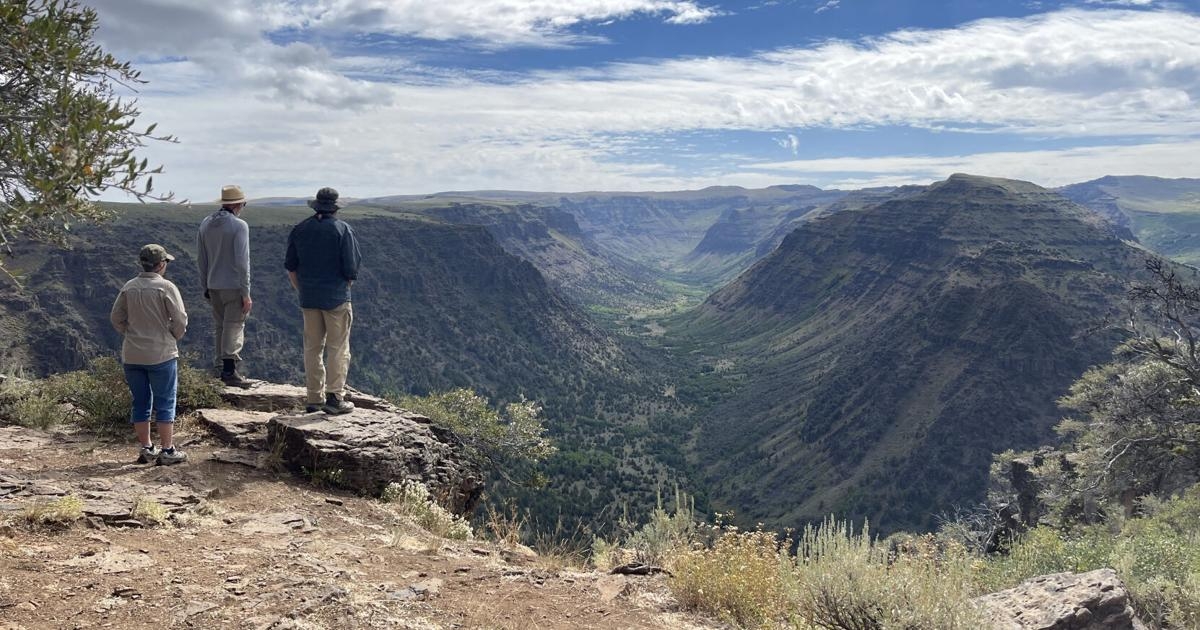
The south section of the Steens Mountain Loop Road to Big Indian Gorge Overlook opened las...

05/26/2026
Leave your answers in the comments section below and tune in to KVAL news at 6AM for the a...

05/26/2026
In this Five on 5 interview News Director Joe Sullivan interviews US Senator Ron Wyden Wyd...

05/26/2026
One of the two unofficial holidays for redheads is May 26 From extinction rumors to pain t...

Follow

Download Our App


Copyright 2022 © EPUERTO. All Rights Reserved