


Published on: 12/22/2025
This news was posted by JC News


Description
ODFW release - ROSEBURG, Ore – A temporary rule prohibits wild spring Chinook salmon harvest on the mainstem Umpqua River and keeps the North Umpqua bag limit the same as 2025, ODFW announced Friday. Feb. 1 – June 30, 2026: Mainstem Umpqua River: only hatchery spring Chinook may be kept. Harvesting wild spring Chinook (jacks and adults) is prohibited. North Umpqua River: one adult wild spring Chinook per day, 10 per year may be kept. Mainstem Umpqua and North Umpqua rivers: anglers may still retain hatchery spring Chinook on both rivers. This temporary rule is meant to help protect the populations returning to the South and North Umpqua rivers as biologists forecast lower than desired returns of adult wild spring Chinook in 2026. In 2025, just 131 adult wild spring Chinook returned to the South Umpqua River; returns to the North Umpqua were average. Returns in 2025 and a low forecast for 2026 is triggering the restriction of wild spring Chinook harvest in accordance with the Umpqua River wild spring Chinook salmon harvest sliding scale in ODFW's Coastal Multi-Species Conservation and Management Plan. Low returns of spring Chinook in the South Umpqua have been continuing in the last five years and have been as poor as 19 adults in 2023. The harvest sliding scale allows for harvest when populations are higher and restricts harvest when runs are trending below desired levels. ODFW continues to work with our partners (the U.S. Forest Service, Bureau of Land Management, Cow Creek Band of Umpqua Tribe of Indians, and NOAA Fisheries) to share information and address habitat and passage issues for spring Chinook in the upper South Umpqua River. Recent improvements to a fish ladder in the South Umpqua have allowed fish to reach cooler water in the upper basin. The CMP was adopted in 2014 by the Oregon Fish and Wildlife Commission. It was developed with help from stakeholder teams within the Umpqua Basin along the Oregon coast.
Other Related News
12/22/2025
The iconic artist Rick Bartow once a small-town Oregon kid went on to see his work feature...
12/22/2025
An invasive pest that kills oak trees continues to spread through the Willamette Valley be...
12/22/2025
Carmen Paniaguas phone had sat silent all day and she began to worryIt was early December ...
12/22/2025
The jackpot ranks among the five largest ever Heres when the next drawing is and how much ...
12/22/2025
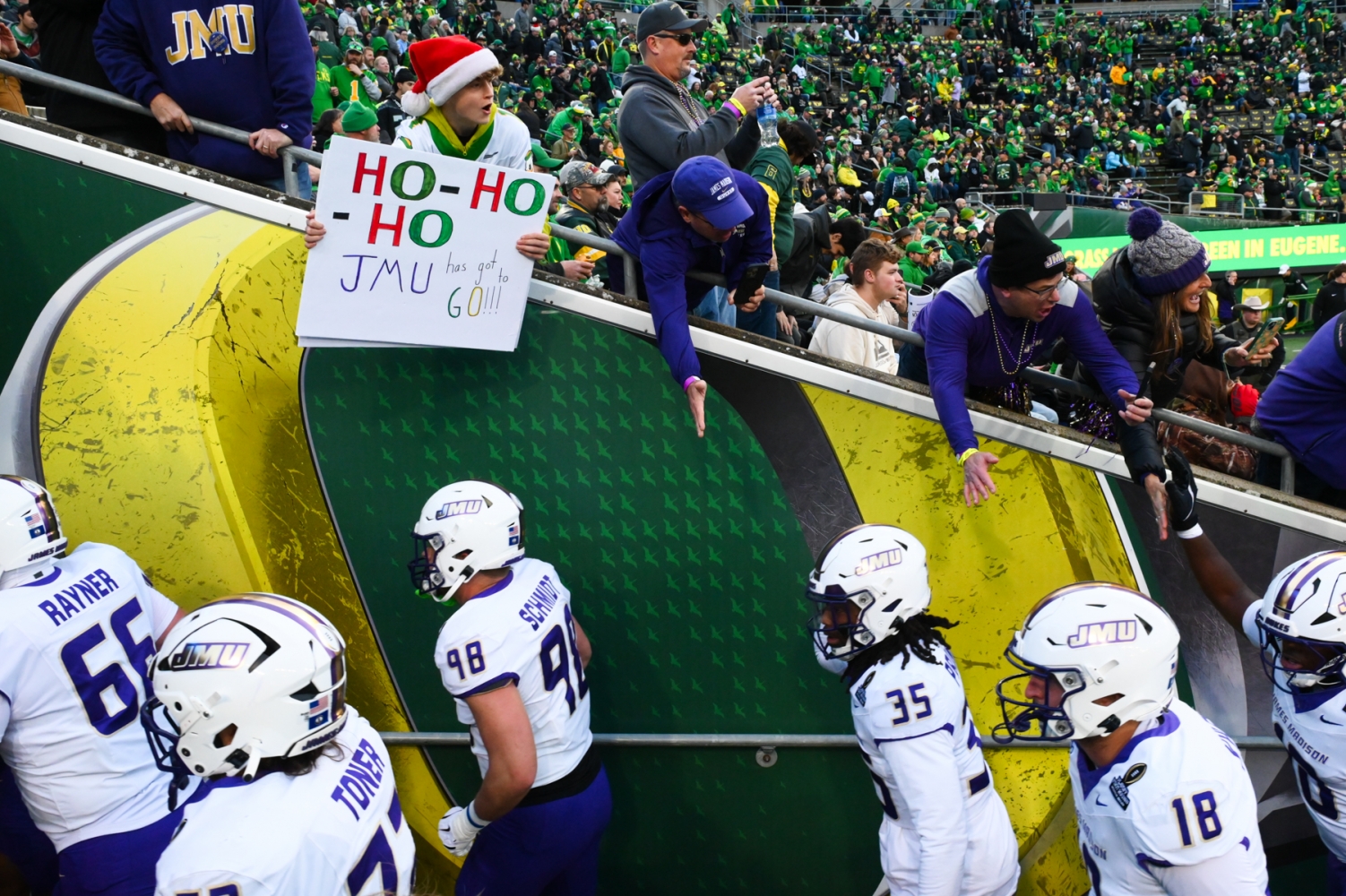
The College Football Playoff has always produced lopsided games Oregons win over James Mad...

Follow

Download Our App


Copyright 2022 © EPUERTO. All Rights Reserved