

For the best experienceDownload the Mobile App
App Store Play Store
Why do airline computer systems fail? What the industry can learn from meltdowns

Published on: 12/26/2025

This news was posted by Oregon Today News

Go To Business Place

Description

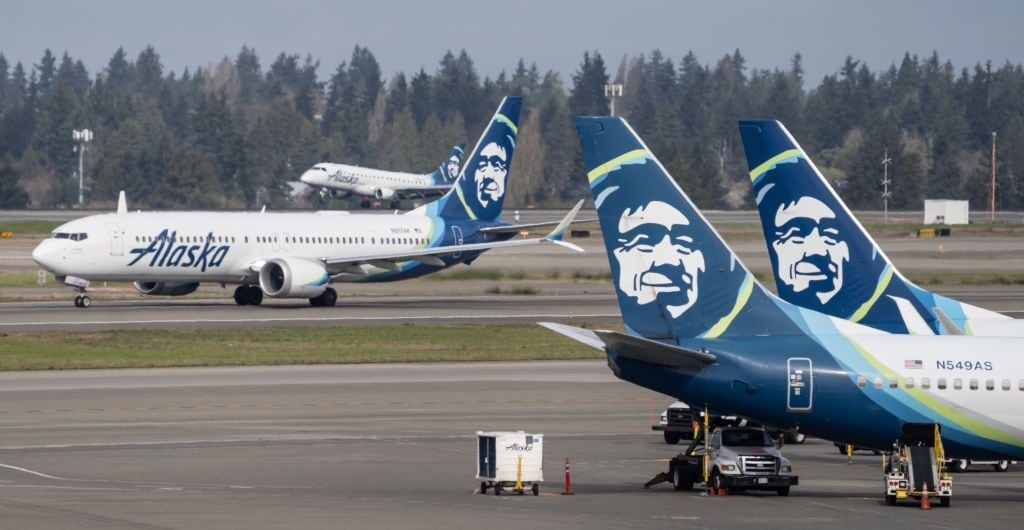
This year Alaska Airlines joined the long list of airlines forced to ground their planes because of IT outages.  <br>

Tony Scott had already boarded his flight from Seattle to Dallas back in July when his problems started.

It was about 8 p.m. on a Sunday night when the flight crew asked the passengers to get off the plane. By the next day, Alaska Airlines would cancel hundreds of flights, many of them out of its hub at the Seattle-Tacoma International Airport.

“It was chaos,” Scott remembers. “The baggage people were clearly overwhelmed. The customer service people were overwhelmed. Every aspect of it was, you know, just a disaster and left people with no information, the wrong information.”

Alaska joined the long list of airlines forced to ground their planes because of IT outages in recent years.

Millions of Americans will fly during the holidays. Every one of those flights depends on complex computer systems to manage the crew, assign the seats, and more. Occasionally, those systems fail — and when they do, they can ground an entire airline.

Every incident is a bit different, from the faulty software update that grounded thousands of Delta Air Lines flights last year, to the holiday meltdown that brought Southwest Airlines to its knees three years ago. But industry experts say there are some conclusions to be drawn about why these systems fail, and what airlines can learn from past disruptions.

“It’s the backbone of this ecosystem that is extremely fragile,” says Eash Sundaram, the former chief information officer of JetBlue Airways.

The industry is unusual, he says, because there is a lack of commercially available software tools for much of what airlines do. Airlines either have to build their own systems, or cobble them together from multiple vendors.

“The challenge is when one falls apart, it’s cascading pretty quick,” says Sundaram, who now runs the venture capital fund Utpata Ventures. “All it takes is 100 flights to be cancelled (to) completely shut down the entire network.”

Alaska Airlines blamed the IT outage in July on the "unexpected failure" of a critical piece of hardware at one of its data centers. (The company suffered another "significant" outage in October that forced it to cancel more than 100 flights.)

After the first Alaska outage, Tony Scott wound up sleeping on the floor of the Seattle airport. But Scott is not simply a disgruntled traveler; he’s also a veteran of the tech industry, having served as chief information officer both at Microsoft and in the federal government under President Obama.

Scott, who is now the CEO of a cybersecurity company called Intrusion, has some theories about why airline computer systems are prone to major IT meltdowns like the one he experienced firsthand.

“It’s just a spider’s web of technology that’s been used to automate everything that they do, all architected at different times from different people,” Scott says. “If you were to sit down and do it from scratch, you would never, ever design it the way that it is.”

Once an airline’s network goes down, it’s not easy to get it up and running again. That’s a lesson Southwest Airlines learned the hard way three years ago, when a major winter storm slammed much of the country. While other airlines managed to get their operations going again within days, Southwest did not.

“We were highly impacted in a couple key cities that were very crucial to our crew network,” says Lauren Woods, the chief information officer at Southwest. She had just been named to that job, and hadn’t officially started yet in December of 2022.

Since then, Woods tells NPR, the airline has made big investments in its technology, including the system that manages its flight crews.

“We will see problems much earlier in the process, especially around our crew network, which is why we’ve been able since then to weather actually even bigger disruptions,” Woods says. “Those capabilities and those investments we made really help us be a much better airline going forward.”

Southwest is not immune to tech problems. But now the airline is now able to respond quickly and proactively, she adds.

“We may have a tech outage, but you care less about it if it’s a five minute recovery, and I have many of those, versus I had one major tech outage and it took me down for a day,” Woods says.

So, information technology outages will happen again. It’s just a question of when. And the test for airlines is how quickly they can get their planes — and their customers — back in the air.

News Source : https://www.opb.org/article/2025/12/26/what-we-know-about-airline-computer-system-meltdowns/

Other Related News

12/26/2025

Its an immense task to convince Oregonians to switch a state-run universal health care The...

'Big Brother' star Mickey Lee dies at 35

12/26/2025

Fellow Big Brother contestants paid tribute to Lee following the news of her death
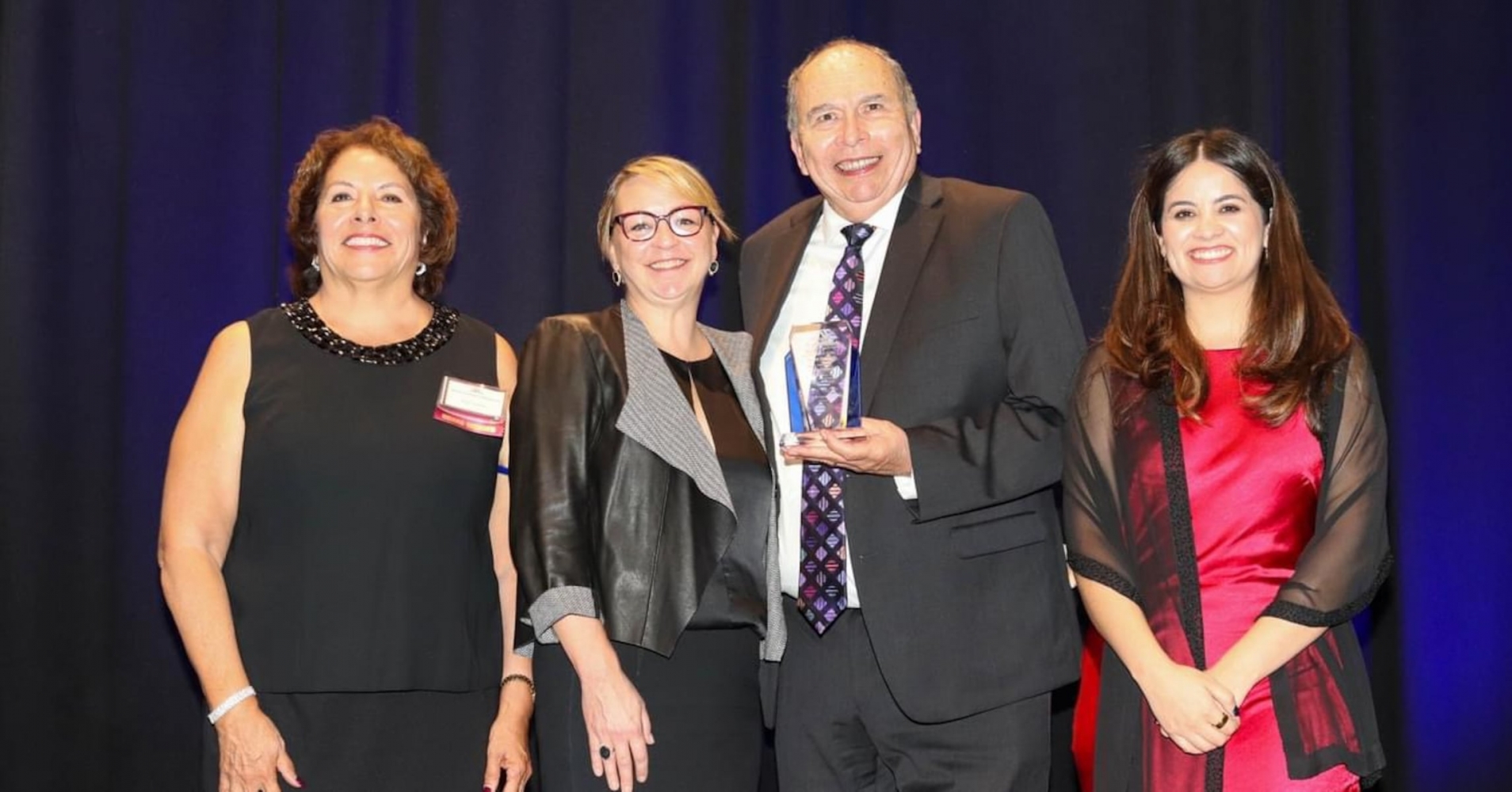
Cofundadora de la cámara hispana más grande del Noroeste se retira

12/26/2025

El hijo de Gale Castillo estaba en su penltimo ao de preparatoria cuando una amiga se diri...
MAYOR'S MESSAGE  
  
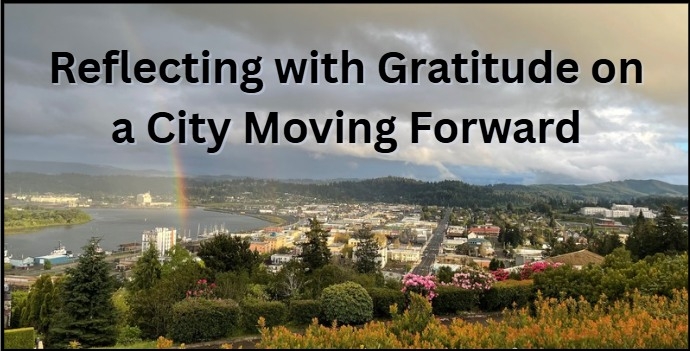
Reflecting with Gratitude on a City Moving Forward  
As we move out of the holiday season and look toward the year ahead, I want to take a moment to reflect on where we are as a city—and what we have accomplished together.  
  
It is easy, at times, to focus on the challenges before us and overlook the meaningful progress happening all around. But when we pause and take stock, there is much to be proud of in Coos Bay. Over the past year alone, private investment in our community has been substantial. Based on recent building activity, more than 300 permits were issued, representing over $15 million in investment. And that figure does not even include major projects such as Timber Cove or the Englewood development, which together represent tens of millions of dollars more in economic activity.  
  
These numbers tell an important story—one of confidence in our city’s future. They reflect people and businesses choosing to invest here, to build here, and to grow here.  
  
Equally important, though often less visible, is the public investment that supports this growth. Infrastructure improvements—our roads, pump stations, and wastewater treatment facilities—are critical foundations that allow our community to thrive. These projects represent significant long-term investments by the City, ensuring that Coos Bay remains safe, functional, and prepared for the future.  
  
None of this happens by chance. It is the result of thoughtful leadership, steady collaboration, and the hard work of City staff across all departments. I am incredibly thankful to serve alongside a dedicated City Council and a professional, committed staff who work every day to make a real difference for our residents.  
  
As we turn the page into a new year, I hope we can all take pride in what has been accomplished and carry that momentum forward. Coos Bay is moving in the right direction, and together, we are building a strong foundation for the years to come.  
  
-Joe Benetti, Mayor of Coos BayPhotos from Coos Bay - City Government's post
MAYOR'S MESSAGE  
  
Reflecting with Gratitude on a City Moving Forward  
As we move out of the holiday season and look toward the year ahead, I want to take a moment to reflect on where we are as a city—and what we have accomplished together.  
  
It is easy, at times, to focus on the challenges before us and overlook the meaningful progress happening all around. But when we pause and take stock, there is much to be proud of in Coos Bay. Over the past year alone, private investment in our community has been substantial. Based on recent building activity, more than 300 permits were issued, representing over $15 million in investment. And that figure does not even include major projects such as Timber Cove or the Englewood development, which together represent tens of millions of dollars more in economic activity.  
  
These numbers tell an important story—one of confidence in our city’s future. They reflect people and businesses choosing to invest here, to build here, and to grow here.  
  
Equally important, though often less visible, is the public investment that supports this growth. Infrastructure improvements—our roads, pump stations, and wastewater treatment facilities—are critical foundations that allow our community to thrive. These projects represent significant long-term investments by the City, ensuring that Coos Bay remains safe, functional, and prepared for the future.  
  
None of this happens by chance. It is the result of thoughtful leadership, steady collaboration, and the hard work of City staff across all departments. I am incredibly thankful to serve alongside a dedicated City Council and a professional, committed staff who work every day to make a real difference for our residents.  
  
As we turn the page into a new year, I hope we can all take pride in what has been accomplished and carry that momentum forward. Coos Bay is moving in the right direction, and together, we are building a strong foundation for the years to come.  
  
-Joe Benetti, Mayor of Coos BayPhotos from Coos Bay - City Government's post
MAYOR'S MESSAGE Reflecting with Gratitude on a City Moving Forward As we move out of the holiday season and look toward the year ahead, I want to take a moment to reflect on where we are as a city—and what we have accomplished together. It is easy, at times, to focus on the challenges before us and overlook the meaningful progress happening all around. But when we pause and take stock, there is much to be proud of in Coos Bay. Over the past year alone, private investment in our community has been substantial. Based on recent building activity, more than 300 permits were issued, representing over $15 million in investment. And that figure does not even include major projects such as Timber Cove or the Englewood development, which together represent tens of millions of dollars more in economic activity. These numbers tell an important story—one of confidence in our city’s future. They reflect people and businesses choosing to invest here, to build here, and to grow here. Equally important, though often less visible, is the public investment that supports this growth. Infrastructure improvements—our roads, pump stations, and wastewater treatment facilities—are critical foundations that allow our community to thrive. These projects represent significant long-term investments by the City, ensuring that Coos Bay remains safe, functional, and prepared for the future. None of this happens by chance. It is the result of thoughtful leadership, steady collaboration, and the hard work of City staff across all departments. I am incredibly thankful to serve alongside a dedicated City Council and a professional, committed staff who work every day to make a real difference for our residents. As we turn the page into a new year, I hope we can all take pride in what has been accomplished and carry that momentum forward. Coos Bay is moving in the right direction, and together, we are building a strong foundation for the years to come. -Joe Benetti, Mayor of Coos BayPhotos from Coos Bay - City Government's post

12/26/2025

MAYORS MESSAGE Reflecting with Gratitude on a City Moving Forward As we move out of the h...

ShoutoutGive Shoutout
500/500