

Published on: 06/23/2026
This news was posted by Oregon Today News


Description

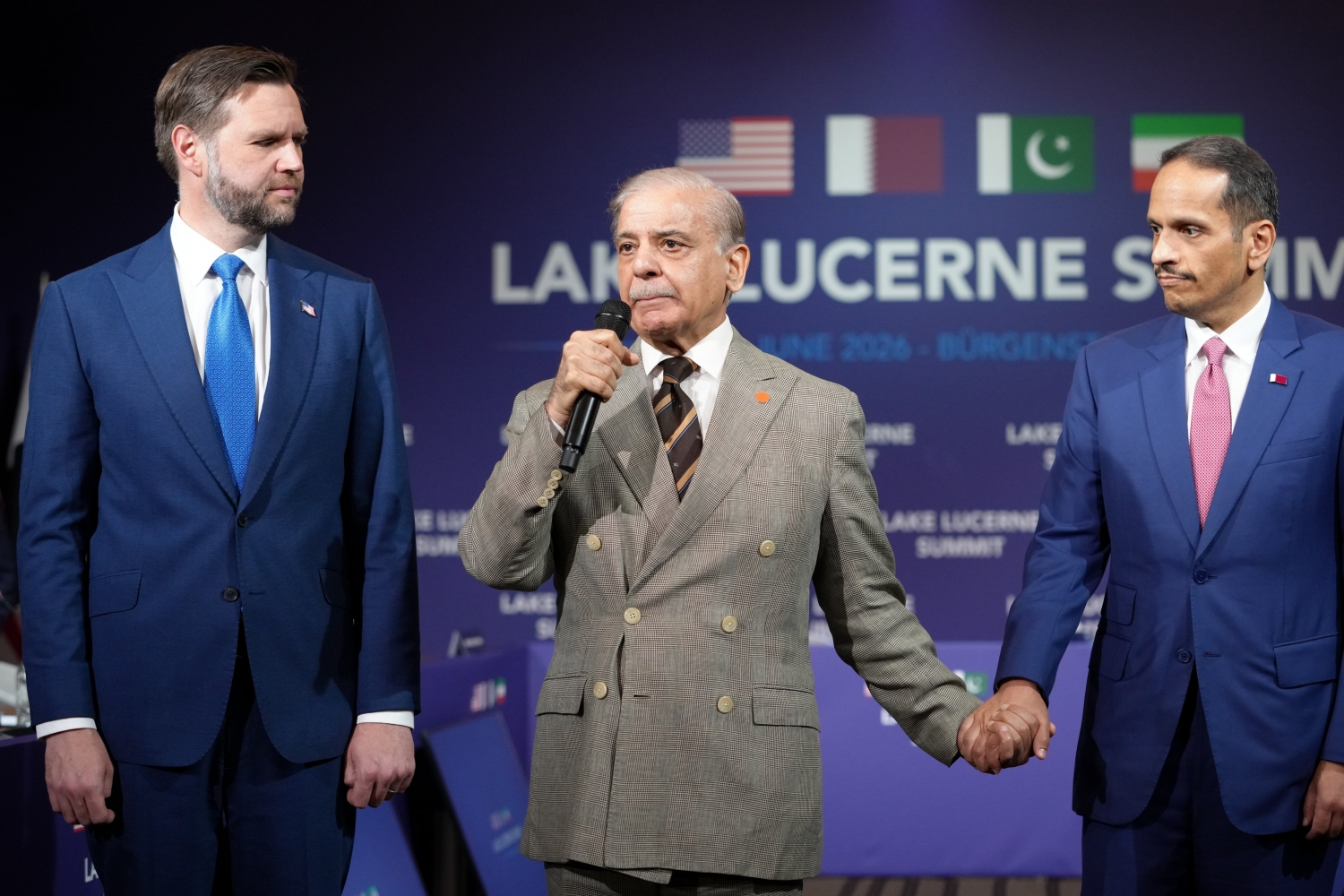
A proposed $300 billion reconstruction fund for Iran is a key provision in the Trump administration’s preliminary agreement with Tehran.
Jake Sullivan, who served as national security adviser to President Joe Biden, told Morning Edition that the fund would be backed by outside investment rather than direct U.S. payments, though he said major questions remain about where the money would come from, calling the whole approach “something entirely new.”
Sullivan explained that the memorandum does not explicitly rule out U.S. participation in the fund. While President Trump has said American taxpayers would not pay for it, Sullivan said Iran is expecting $300 billion from outside sources and that the United States has committed to helping secure it.
“That is something that never happened in the Obama-era deal,” Sullivan told NPR’s Michel Martin.
The comparison is to the 2015 Iran nuclear agreement, known as the JCPOA, or the Joint Comprehensive Plan of Action. Under that deal, the United States did not provide Iran with American money. Instead, sanctions were lifted after Iran complied with nuclear restrictions, allowing Tehran to access its own frozen assets held overseas and resume oil sales.
Sullivan also said that the preliminary memorandum of understanding lacks several of the safeguards included in the 2015 nuclear deal. Unlike the 159-page JCPOA, he noted, the two-page document does not require Iran to reduce or cap its nuclear activities, allows Tehran to keep its enriched uranium stockpile in the country and leaves key inspection and verification measures to future negotiations. Under the Obama-era agreement, 97% of Iran’s enriched uranium was shipped abroad and international inspectors were granted extensive access to nuclear facilities.
Listen to the full interview by clicking on the blue play button above.
The digital version of this interview was edited by Treye Green.
News Source : https://www.opb.org/article/2026/06/23/who-s-expected-to-fund-trump-s-dollar300-billion-iran-plan/
Other Related News

06/23/2026
The Oregon Department of Forestry announced that an invasive pest -- the emerald ash borer...
06/23/2026
Nearly a year after SNAP cuts 68000 Oregonians have lost benefits and in-person interviews...

06/23/2026
With fireworks sales beginning today the Oregon State Fire Marshal is urging Oregonians to...
06/23/2026
Oregon officials report a single dead quagga mussel found on Prineville Reservoirs shore t...

06/23/2026
The Ohio Supreme Courts decision comes amid renewed attention on the 2022 deadly crash cas...

Follow

Download Our App


Copyright 2022 © EPUERTO. All Rights Reserved