

Published on: 03/24/2026
This news was posted by Oregon Today News


Description

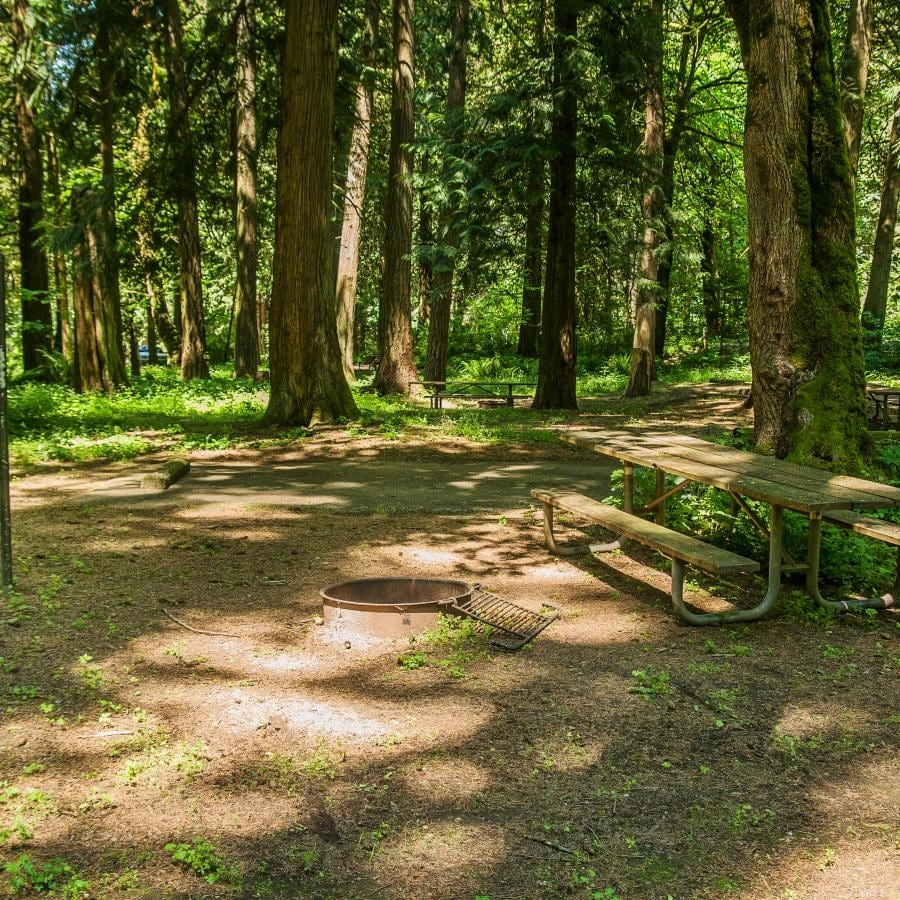
Campgrounds, trail systems and off-road vehicle areas in Washington that are managed by the Department of Natural Resources are expected to close or see reduced maintenance in 2026 because of more than half a million dollars in funding cuts.
Eleven officer positions with the Washington Department of Fish and Wildlife will go unfilled, and maintenance of recreation areas will be reduced.
The agency that manages more than 1 million acres of public lands lost nearly $9 million for the remainder of the 2025-27 biennium.
And Washington State Parks officials are assessing how to cut $587,000 from that agency’s budget.
“It’ll be interesting to see where we do make those cuts because, again, we’re a little lean on places where we’ve got anything left to cut,” said Washington State Parks Communications Manager Sarah Fronk.
The three state public lands agencies were among the many losers in this year’s state budget as lawmakers looked for ways to close a multibillion-dollar deficit. The session ended on March 12.
Washington state Gov. Bob Ferguson has until April 4 to sign the proposed budget into law.
DNR is currently analyzing its budget and prioritizing around 19 sites to either close or to cut services on, according to Michael Kelly, the agency’s communications director.
The cuts would likely be aimed at campgrounds, which are relatively expensive to operate, he said, translating to less trash pickup, bathroom cleaning, or by restricting access to areas altogether by locking gates.
“The recreation sites don’t maintain themselves,” Kelly said. “If you can’t maintain them, they get further degraded by the use, and then they become safety risks.”
DNR maintains over 5 million acres across Washington state, including forests, agricultural and aquatic lands, state-owned lakes, rivers and coastline.
Despite that massive area, the agency has just 60 field staff, each of whom is responsible for over 300,000 acres.
Washington State Parks is in charge of fewer acres – just 122,000 – but its sites have the largest number of visitors of the three public lands agencies at over 40 million visitors per year.
Fronk said the proposed cuts will affect the agency’s general fund, and they have not yet made decisions about impacts to specific parks or facilities.
This year’s reductions are compounded by past cuts for partner agencies like the Washington Conservation Corps. During last year’s budget cuts, the Legislature zeroed out DNR’s appropriation to pay for conservation corps crews.
That agency contracted with DNR, at the time representing approximately 50% of the agency’s field work capacity statewide, according to Kelly.
“It’s coming from all angles at this point,” he said of the budget crunch.
Other Washington organizations are facing existential threats from federal disinvestments in public lands. In February, the Mt. Adams Institute announced it would dissolve completely at the end of the year, in large part due to DOGE-era cutbacks in federal funding.
“The mounting partnership and funding obstacles resulting from the current White House administration’s reductions in staffing, cuts to funding, and interference with partnership mechanisms have dramatically affected our organizational operations,” wrote Executive Director Aaron Stanton in a letter to the nonprofit’s community.
For the past 15 years, the Mt. Adams Institute has worked out of the tiny town of Trout Lake on the edge of the Gifford Pinchot National Forest.
It sets up career-oriented internships doing things like trail maintenance and construction, and working as wilderness rangers.
About 95% of the nonprofit’s operating budget comes from contracts with federal partners at agencies like the U.S. Forest Service, NOAA and the National Park Service.
There is one way recreationists can continue to support public lands. The Discover Pass, a $50 annual parking pass that funds all three agencies, gives buyers unlimited access to state parks and natural areas.
The pass is also the main source of funding for Washington State Parks.
News Source : https://www.opb.org/article/2026/03/24/washington-public-lands-agencies-plan-to-reduce-services-following-state-budget-cuts/
Other Related News

03/24/2026
By Rich Tenorio Edited by Patricia GuadalupeUniversity of Puerto Rico graduate Stephany M...

03/24/2026
A recent letter writer argued for demolishing the outdated Keller Auditorium in favor of a...

03/24/2026
President Donald Trump called Arizona Sen Mark Kelly and five other Democrats traitors who...

03/24/2026
Two online real estate rivals seem to be inching closer to finding common ground

03/24/2026
Hey guys Put down the ChatGPT Talk to a real person Im begging you

Follow

Download Our App


Copyright 2022 © EPUERTO. All Rights Reserved