

Published on: 04/07/2026
This news was posted by Oregon Today News


Description

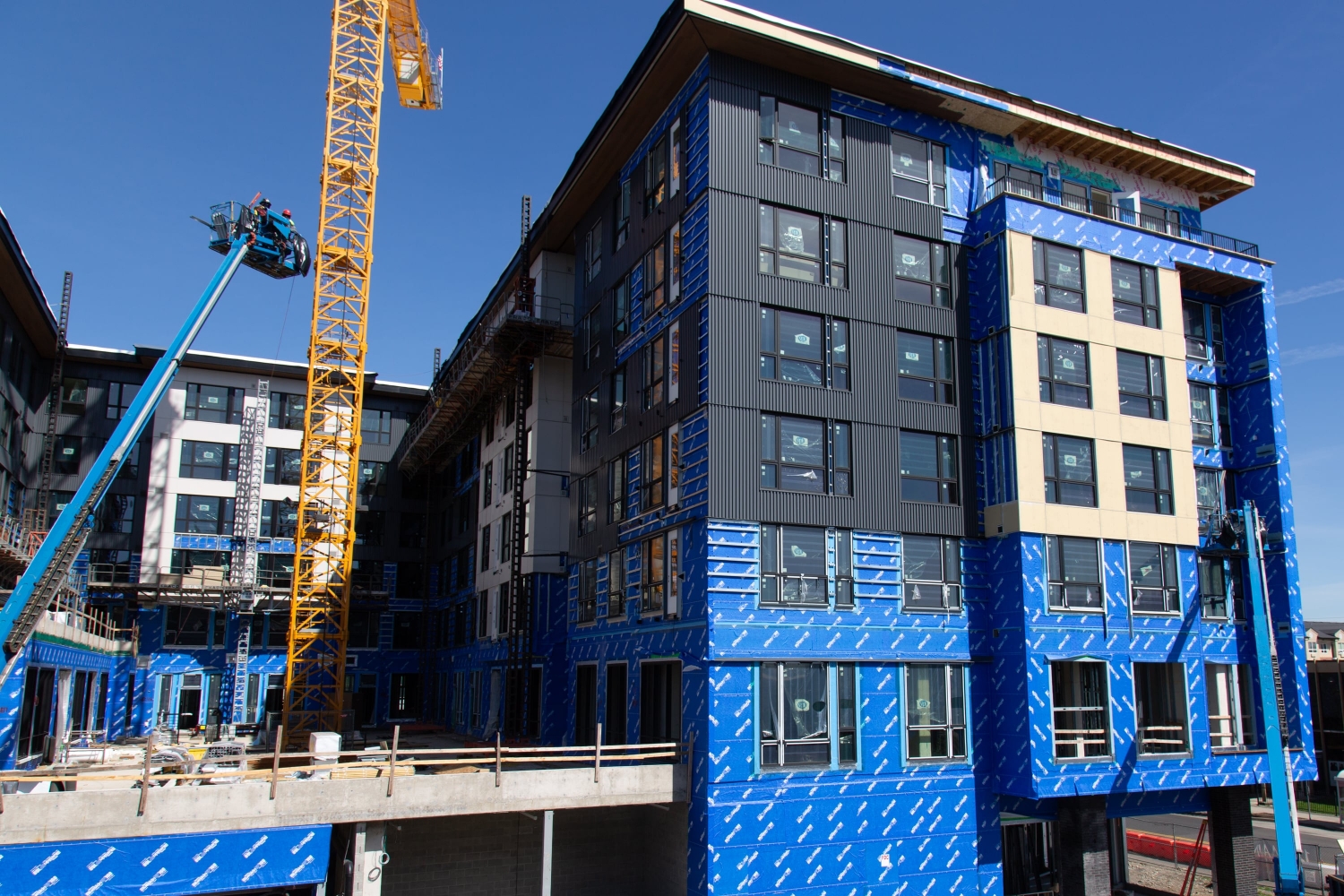
Vancouver is not building housing fast enough to meet the needs of a growing population.
According to the city’s 2025 Housing Report, there were 51% fewer residential units that started under construction last year compared to the 6-year historic average.
While housing construction has crept up from a low point in late 2024, the number of new homes being built is less than a third of what is needed. The city has a goal of building 2,500 units per year to stay on track to meet the population growth anticipated in Clark County’s forthcoming comprehensive plan.
It’s a familiar challenge across the Northwest.
In Oregon, a decreasing number of housing permits were issued in recent years, despite a stubborn housing crisis. Washington state Gov. Bob Ferguson has set a goal of building 200,000 housing units over the next four years to address that state’s shortage.
Vancouver leaders discussed the 2025 housing report and the city’s efforts to support new home construction at Monday night’s council meeting.
“Picture, basically, a waterfront development being built every year throughout the city. That’s about the number of units that we need to see being built,” said Chad Eiken, the director of Vancouver’s community and economic development department, referencing the city’s recently redeveloped downtown neighborhood along the Columbia River.
The deficits are affecting both market-rate and affordable housing.
An average of 536 fewer affordable housing units are built each year than Vancouver needs, a trend that has continued since 2022.
That slow pace of affordable housing production is partly due to a disproportionately small number of projects being funded by Washington state’s large bucket of money, known as the Housing Trust Fund, according to Patrick Quinton, Vancouver’s director of economic prosperity and housing.
“We are really left trying to figure this out with local money, and the numbers just don’t work,” Quinton said.
Although it’s one of Washington’s five largest metropolitan counties, Clark County receives about half the state Housing Trust Funds that its population would justify, Quinton said.
Limited available land is a challenge for builders.
The remaining sites inside city limits are often small infill parcels that can be environmentally restrictive, according to Noelle Lovern, executive officer for the Building Industry Association of Clark County.
“When you’re looking at that type of land, it’s not a straightforward kind of green field development,” Lovern said. “It’s a lot of mitigations. It’s a lot longer environmental process. It’s a lot more money to develop that land.”
Lovern said Vancouver has taken many steps to encourage construction, like being flexible, meeting with builders, and being willing to adjust development plans.
The city’s 2025 assessment included a 64-point “action plan” outlining steps that departments are currently taking to try to promote more housing. They include changing zoning to promote infill, reducing environmental reviews, and innovation in the types of homes being built.
Andy Silver, CEO of the Vancouver Housing Authority, which focuses on affordable housing, agrees the city is using all the tools it has available to support more growth.
“The problem is that some of the headwinds that are outside of the city’s control are pretty large at the moment,” Silver said.
Those macro headwinds include elevated construction costs, tariffs, high interest rates, labor shortages, and increased insurance costs.
Silver echoed concerns about the state’s financial support, noting that many proposed affordable housing projects in Vancouver and Clark County that have applied for state money from the Housing Trust Fund have not been selected.
“It’s very frustrating to see a line of projects on hold because the state isn’t matching that urgency,” Silver said.
Vancouver’s population is expected to grow by 81,000 in the next two decades, according to the city’s comprehensive plan, which is still being drafted.
The city and county growth plans, which will guide development efforts for the next two decades under the state’s Growth Management Act, are two of the newest tools available for the city to guide housing creation.
“Truly, the biggest housing action that the city can take is coming to you in a few months, which is the comprehensive plan,” Quinton told the council, “which will obviously overhaul land use in the city and open up significant amounts of the city to new housing production.”
News Source : https://www.opb.org/article/2026/04/07/vancouver-continues-to-fall-short-of-housing-development-needs/
Other Related News

04/07/2026
With just a month left before the start of the 2026 WNBA season the Portland Fire have ann...
04/07/2026
In a letter authored to the Commodity Futures Trading Commission seven members of Congress...
04/07/2026
Endangered Rices whales live their entire lives in the Gulf of Mexico where theyre vulnera...
04/07/2026
The Late Show with Stephen Colbert ends its 11-year run on May 21
04/07/2026
Republican Clay Fuller and Democrat Shawn Harris are facing off to replace Marjorie Taylor...

Follow

Download Our App


Copyright 2022 © EPUERTO. All Rights Reserved