

Published on: 01/29/2026
This news was posted by Oregon Today News


Description

Officials from the U.S. Department of Energy’s Office of Enforcement came to Hanford, Washington, last week.
That’s according to someone who works at Hanford, who asked to remain anonymous so their job wouldn’t be impacted.
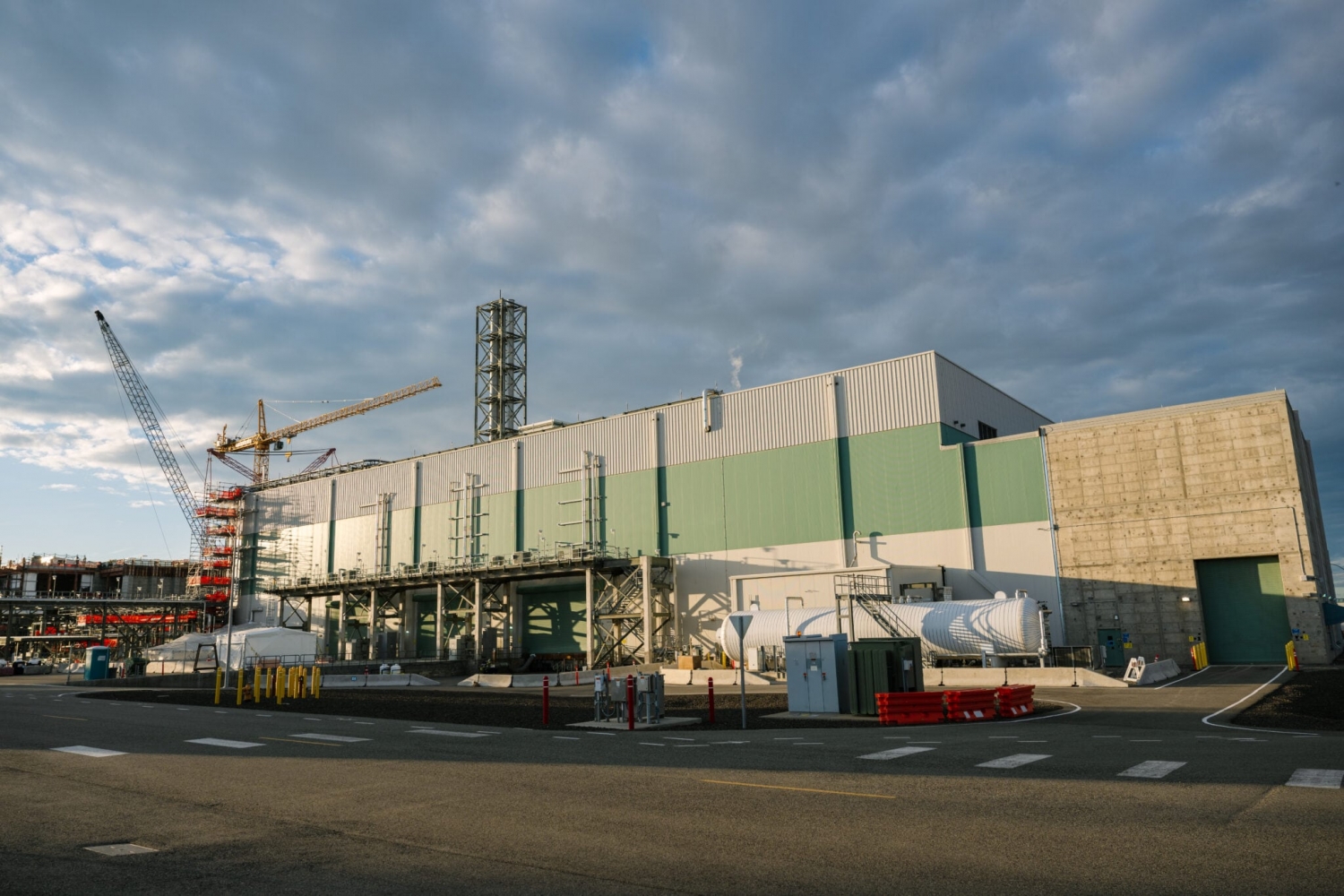
Energy officials were looking into the repeated anhydrous ammonia leaks reported at Hanford’s sprawling Waste Treatment and Immobilization Plant.
Anhydrous ammonia is highly concentrated and doesn’t contain water. It is typically used in agriculture or in other industrial settings.
Federal reports show there have been several instances of leaks, which date back to at least late 2024. It’s unclear if there are still ammonia leaks at the plant.
One of the leaks required workers to “take cover,” according to a federal Defense Nuclear Facility Safety Board report released in July of 2025.
In a public Hanford Advisory Board meeting last August, Brian Harkins, the acting manager of the U.S. Department of Energy Hanford Field Office, said the plant is a “first of a kind platform.” He said workers were learning how to best run the complex plant.
“As we go through the [start up] process, we’ll get more knowledge on the plant, how it operates, how the systems work – it’s a very complex system,” he said in August.
When asked specifically about the ammonia leaks, Harkins said that some valves needed tightening when the systems were initially filled with ammonia. He said they had sat for a long time. Those were “small leaks,” according to Harkins.
“Ammonia is thankfully something you can smell,” Harkins said.
He also said that in the past, painters in a Hanford building accidentally bumped a valve and opened it.
“The system is working well now,” he said. “It’s not like it leaks. I will also tell you that how we handle and treat those ammonia leaks has been very conservative.”
The U.S. Centers for Disease Control and Prevention says ammonia is toxic and flammable. It can cause chemical burns. If inhaled in quantity, it can be deadly.
How ammonia is used at the plant
The Hanford Field Office at the U.S. Department of Energy and Washington State’s Department of Ecology declined to comment on the ammonia leaks.
Bechtel, the federal government’s contractor at the plant, answered general questions about how ammonia is used at the plant, but did not answer specific questions about the leaks.
Ammonia is used at the plant to treat the exhaust that comes out of the stack from processing radioactive waste and binding it up in glass. A chemical reaction with ammonia reduces the oxides of nitrogen that the plant releases. The plant stores about 7,600 gallons of ammonia on site at any given time, according to a spokesperson for Bechtel. Ammonia monitors are placed throughout the plant.
The spokesperson also said in an email that ammonia is stored in two cylindrical vessels at the plant, each about 24 feet long and 7 feet in diameter.
The plant is aimed at treating the radioactive tank waste — leftovers from the production of plutonium for World War II and the Cold War. There are around 56 million gallons of that waste to be treated. Some of that waste has been treated by being bound up into massive glass logs.
Ammonia was introduced to the plant before it began operations so the emissions system could be tested. The plant started treating waste in the fall of 2025.
This republished story is part of OPB’s broader effort to ensure that everyone in our region has access to quality journalism that informs, entertains and enriches their lives. To learn more, visit opb.org/partnerships.
News Source : https://www.opb.org/article/2026/01/29/ammonia-leaks-hanford-waste-treatment/
Other Related News

01/29/2026
The rustic remains of the Peter Iredale named after the British businessman who owned the ...

01/29/2026
A Democratic lawmaker from Portland is introducing legislation that would allow the state ...

01/29/2026
House Republicans are proposing sweeping changes to the nations voting laws including laws...

01/29/2026
Portland State Universitys financial picture is getting bleaker But university leaders are...

01/29/2026
Authorities arrested 35-year-old Nickolas Edwards in mid-January after he allegedly led po...

Follow

Download Our App


Copyright 2022 © EPUERTO. All Rights Reserved