

Published on: 09/27/2026
This news was posted by Oregon Today News


Description

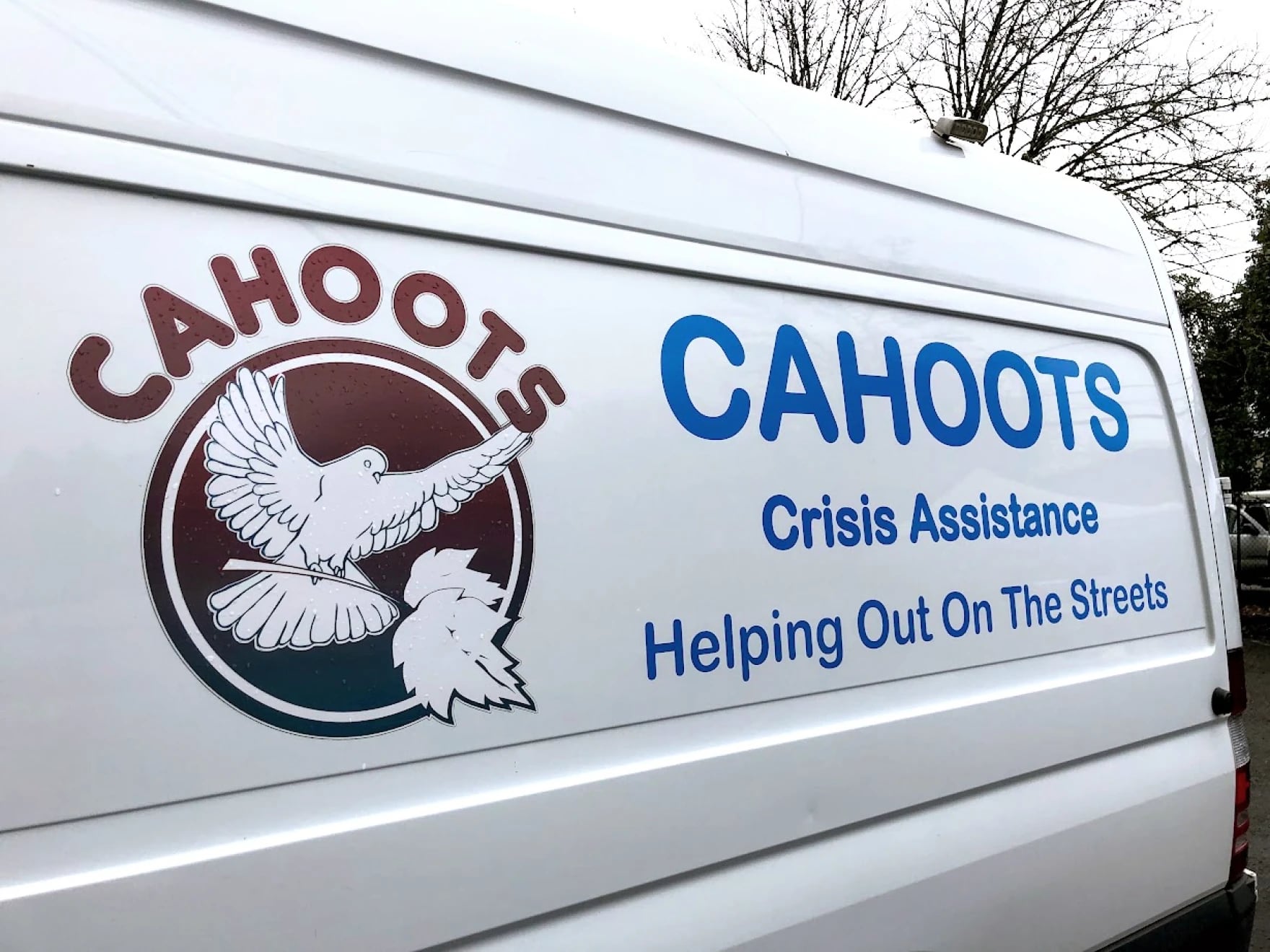
University of Oregon researchers have a new study that says the mobile crisis counseling service CAHOOTS — Crisis Assistance Helping Out On The Streets — diverted far more calls from the Eugene Police Department than first thought.
A 2022 summary report from the EPD put the diversion rate between 3% and 8% based on call data from the previous year.
But the UO research team said they’ve developed three new measurement standards that are more accurate and focus the lens better on CAHOOTS’ impact.
In their study, they said the “Substitution Diversion Rate” revealed that CAHOOTS diverted 18% of calls that would have otherwise gone to the EPD. That number rose to 23% when using the Prevention-adjusted Diversion Rate, which accounts for calls that may have been diverted from the emergency response system due to CAHOOTS’ early intervention and availability.
And with what the researchers call the “Overlapping-mandate Diversion rate,” the number of calls diverted to CAHOOTS rose to 50% for those that fell within overlapping duties that either EPD or CAHOOTS could handle.
Rori Rohlfs is a UO associate professor of data science who worked on the research. She told KLCC that she’d like local officials to read the study.
“CAHOOTS had a major impact on our emergency response that --even though their budget was incredibly modest-- the amount of work that they did and the amount of emergency response they did in community care cannot be understated,” said Rohlfs.
Rohlfs’ colleagues are Claire Herbert, an associate professor of sociology; and Nathan Burton, a UO alum now pursuing a master’s degree at Johns Hopkins University.
CAHOOTS launched in 1989 and was a cooperative intervention system between EPD and local mental health workers with the White Bird Clinic. Two-person teams consisting of a crisis worker and a medic took calls across the Eugene-Springfield area, often providing immediate counseling and transportation services to people in distress and helping de-escalate 911 and similar situations that could have been challenging with armed law enforcement. Its model was heralded and replicated across North America, particularly after the social justice demonstrations of 2020.
The City of Eugene stopped funding for CAHOOTS operations in Eugene last year, though it still runs vans in Springfield. The decision was met with widespread criticism and concern, with many advocates for the homeless and people struggling with addiction and mental health issues calling for the service’s return.

In an email to KLCC, Herbert said the methodological approach is particularly important for criminologists and other social scientists studying mobile crisis “given how central the issue of diversion rates has been for motivating the creation of these kinds of alternative response units.
The idea of diverting resources from police galvanized a lot of attention in recent years, but the method in this paper provides a way for communities to systematically analyze diversion rates for new programs and make evidence-based policy and resource allocation decisions.”
Herbert added that as a researcher working at the intersection of criminology and homelessness, she hoped that the team’s findings are used to reflect carefully on how resources and expertise are allocated “to address low-level ‘quality of life’ offenses and the need for welfare checks amid the current crisis of unsheltered homelessness in Eugene and many other places.”
The researchers say reliable measures can give communities better evidence for making decisions about how to allocate resources across their emergency response systems — information Herbert said would have been valuable for Eugene to have years earlier.
“There are so many mobile crisis programs in cities across the country that are being deployed without having specific quantitative research analyses done,” said Rohlfs. “And I hope that our method and approach to trying to quantify the impact of these programs can be helpful for others, in other cities where people are trying to evaluate the efficacy of their programs.”
The study is in the latest edition of the journal, Science Advances.
Brian Bull is a reporter with KLCC.
This story comes to you from the Northwest News Network, a collaboration between public media organizations in Oregon and Washington.
It is part of OPB’s broader effort to ensure that everyone in our region has access to quality journalism that informs, entertains and enriches their lives. To learn more, visit our journalism partnerships page.
News Source : https://www.opb.org/article/2026/09/27/cahoots-call-diversion-rate-substantially-greater-than-first-estimated/
Other Related News

09/27/2026
Sundays matchup between the Baltimore Ravens and Dallas Cowboys gives new users a high-oct...
09/27/2026
A Marion County judge sentenced a former middle school teacher and Army veteran to five an...

09/27/2026
Arrests occurred at places like Lowes Walmart WinCo Home Depot Fred Meyer Costco Safeway a...

09/27/2026
LSU linebacker Whit Weeks fractured his right leg on Saturday night in a 35-6 win over Tex...

09/27/2026
Florida made a massive jump in The Associated Press Top 25 and landed in the top 10 for th...

Follow

Download Our App


Copyright 2022 © EPUERTO. All Rights Reserved