

Published on: 11/03/2026
This news was posted by Oregon Today News


Description
Ranchers across the Northwest might see tighter hay stocks in some areas this winter and early spring.
Prices for alfalfa have gone up more than $50 a ton, according to industry experts.
Drex Gauntt, a hay farmer out of Burbank, Washington, said he’s seen good interest from buyers and good prices.
“That shows that the market is still active, when you have buyers who continue to contact you throughout the season,” Gauntt said. “It shows that the demand is active in the market.”
Last year at this time, alfalfa cost around $160 to $185 a ton, but now it’s costing about $230 to $250 a ton, according to Josh Callen of The Hoyt Report, a Western hay industry news company.

Drought, then fire
There are several reasons why hay is in shorter supply. There’s been big droughts across the West this year. That means there was less hay to begin with. Drought in Idaho and Utah has also pulled some hay out of Oregon.
“There is not a lot of feed in the deserts [due to drought],” Callen said, “and dairy numbers are up quite a bit so domestic demand is going to stay strong.”
At the same time, some cattle were pulled off rangelands impacted by wildfires. Those animals would normally be in mountains and plateaus until September or October but were back in homeplace pastures by July. In those confined areas, they needed more hay.
Growers’ pains
But hay farmers are having difficulty too.
“There has been a lot of export struggles,” Callen said. “Between the war in Iran and the shipping rates that have been so high, the exports have been at the lowest rates since 2014. But a lot of acres have been taken out too.”
Historically, low prices over the last couple of years have tested hay farmers, driving some major companies into bankruptcy. And it’s driven down new acres planted.
“Hay acres have been down as much as 25% in the Northwest,” said Scot Courtright, owner of Courtright Enterprises, a hay buyer and exporting company. “Then, overall production in Idaho, Utah, Wyoming, Nevada and other Western states is down because of drought. And with demand being relatively stable, that’s driving prices up.”
Hay farmers’ crops also depend heavily on irrigation water, rain at the right times, diesel tractors to cut and bale it, and the trucks to move it. Diesel has been at near-record levels, and drought has meant little rain.
Diesel woes
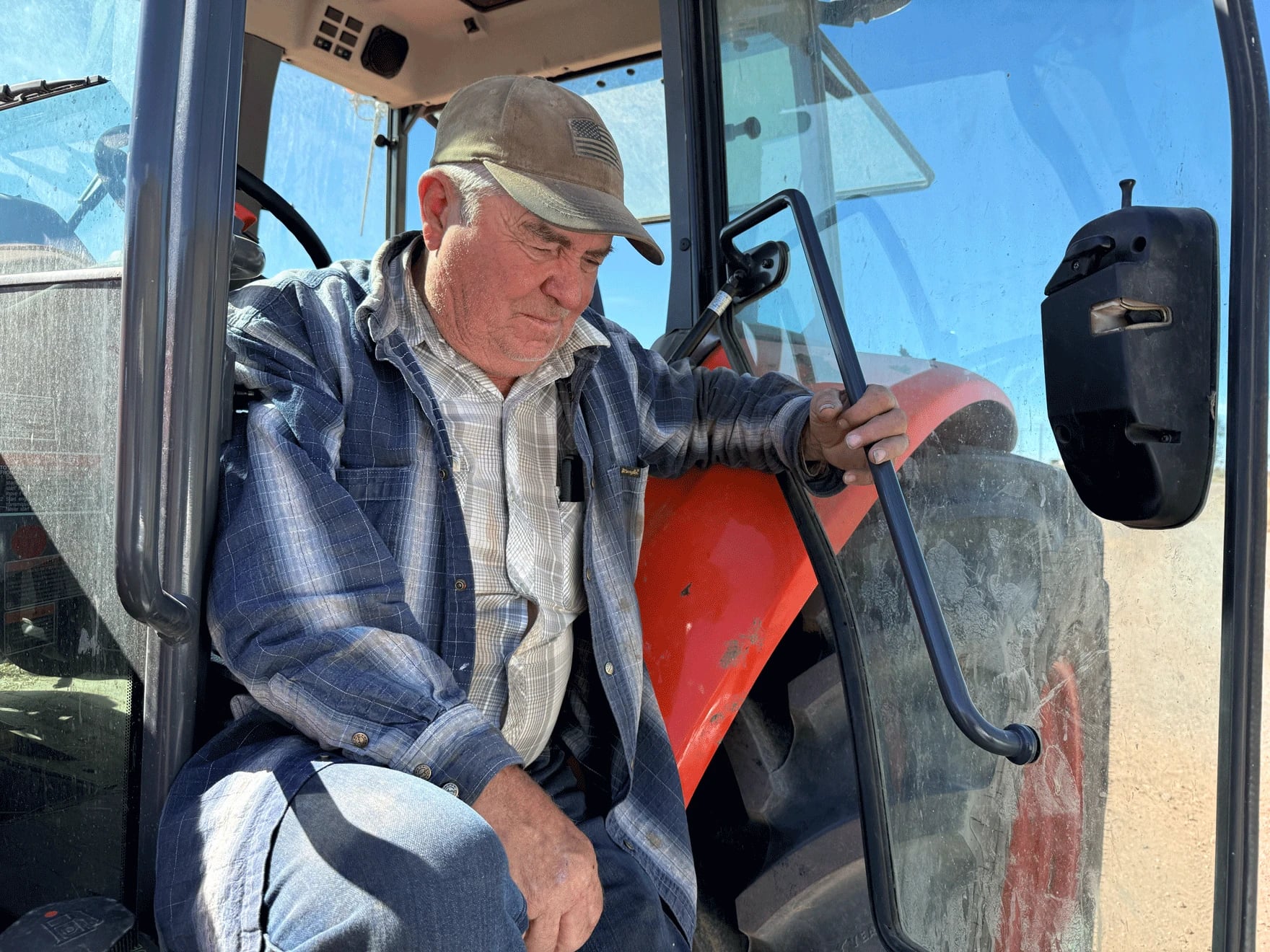
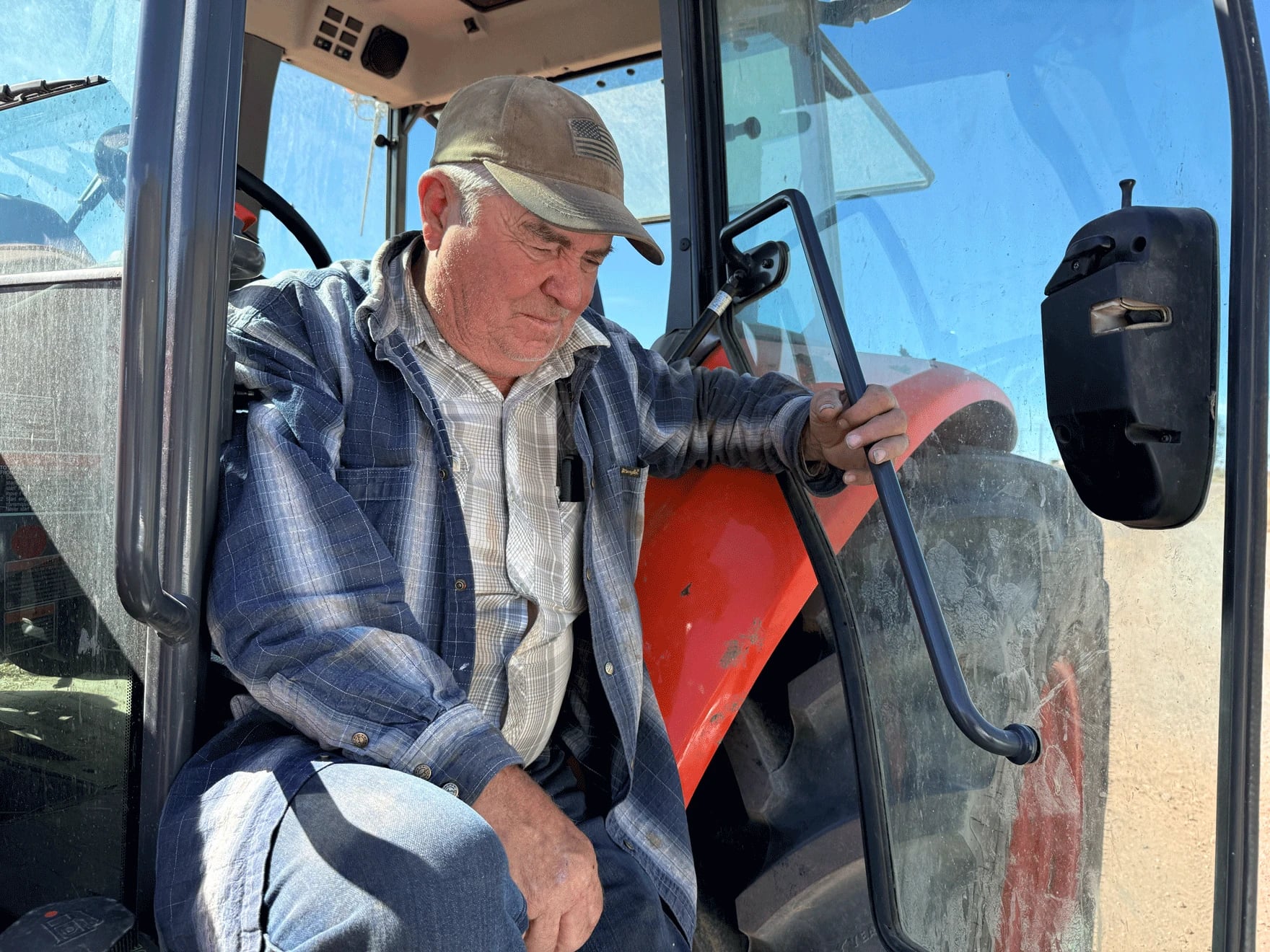
Martin Thompson is a rancher out of New Princeton, Oregon. He’s lucky he grows some of his own hay. He sells some too.
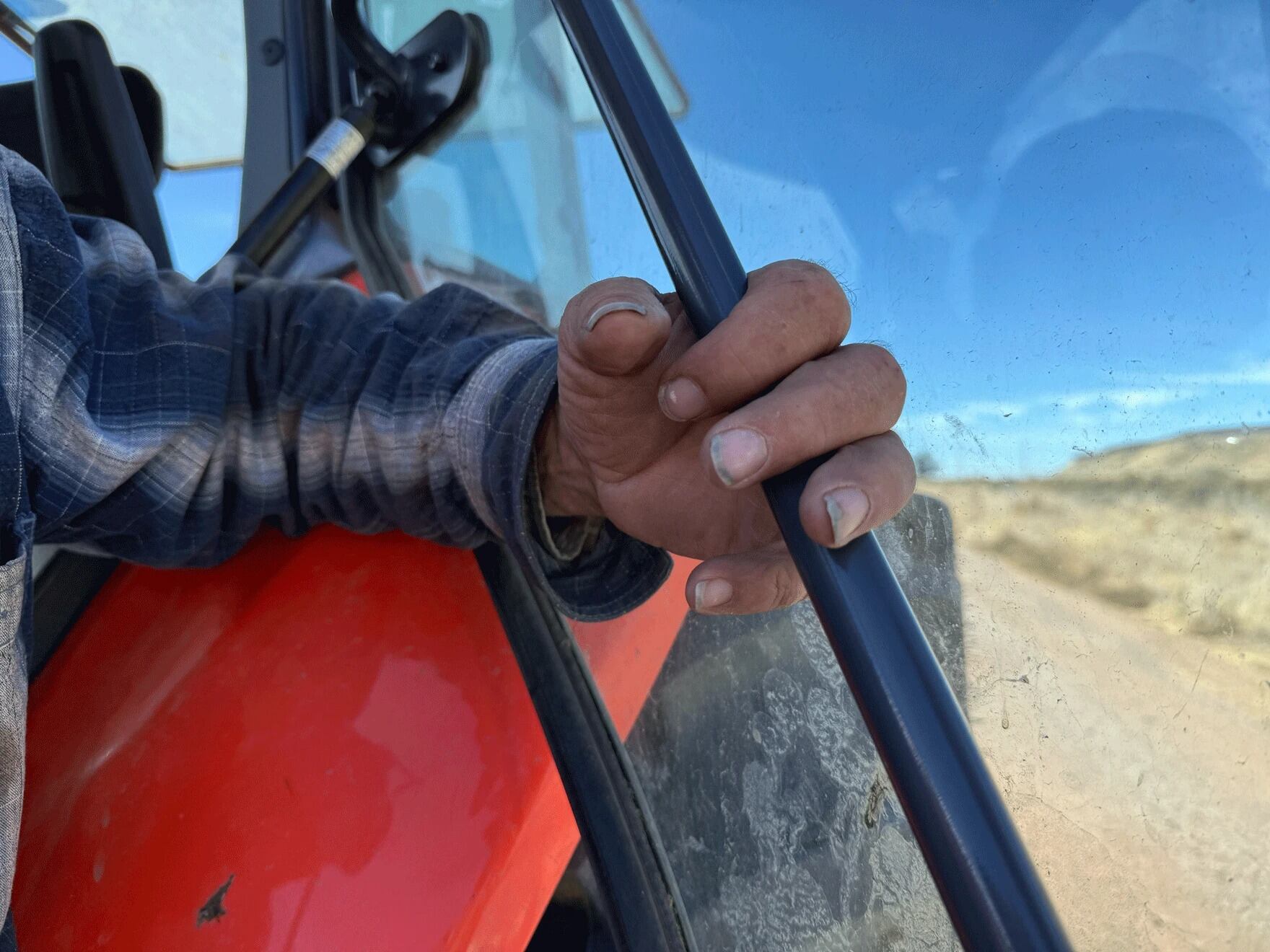
On a clear and remarkably warm September afternoon, Thompson drove his Kubota tractor up his long gravel drive. He was moving from one field to another to pump out round bales.
He said even growers aren’t making what they should.
“Hay prices are not what they should be when you take a look at the diesel,” Thompson said.
This story was made in collaboration with the Northwest News Network.
Anna King is a reporter with Northwest Public Broadcasting. This story comes to you from the Northwest News Network, a collaboration between public media organizations in Oregon and Washington.
It is part of OPB’s broader effort to ensure that everyone in our region has access to quality journalism that informs, entertains and enriches their lives. To learn more, visit our journalism partnerships page.
News Source : https://www.opb.org/article/2026/11/03/shortage-northwest-hay-winter-spring/
Other Related News

11/03/2026
Voters will decide whether to reelect Democratic Gov Tina Kotek or seek change in Republic...
11/03/2026
Democrat Michael Welsh is challenging Rep Kevin Mannix R-Salem in a high-dollar race for O...
11/03/2026
The rate at which Oregon healthcare workers are vaccinated for influenza continues to drop...
11/03/2026
A 39-year-old man was taken into custody
11/03/2026
Republican Valerie Draper Woldeit is challenging Sen Sara Gelser Blouin D-Corvallis in the...

Follow

Download Our App


Copyright 2022 © EPUERTO. All Rights Reserved