

Published on: 01/15/2026
This news was posted by Oregon Today News


Description

As Oregon and Washington transportation leaders await a Coast Guard decision that will determine the height of the planned Interstate Bridge Replacement project, OPB has obtained public records that provide more details about some costs associated with one bridge option.
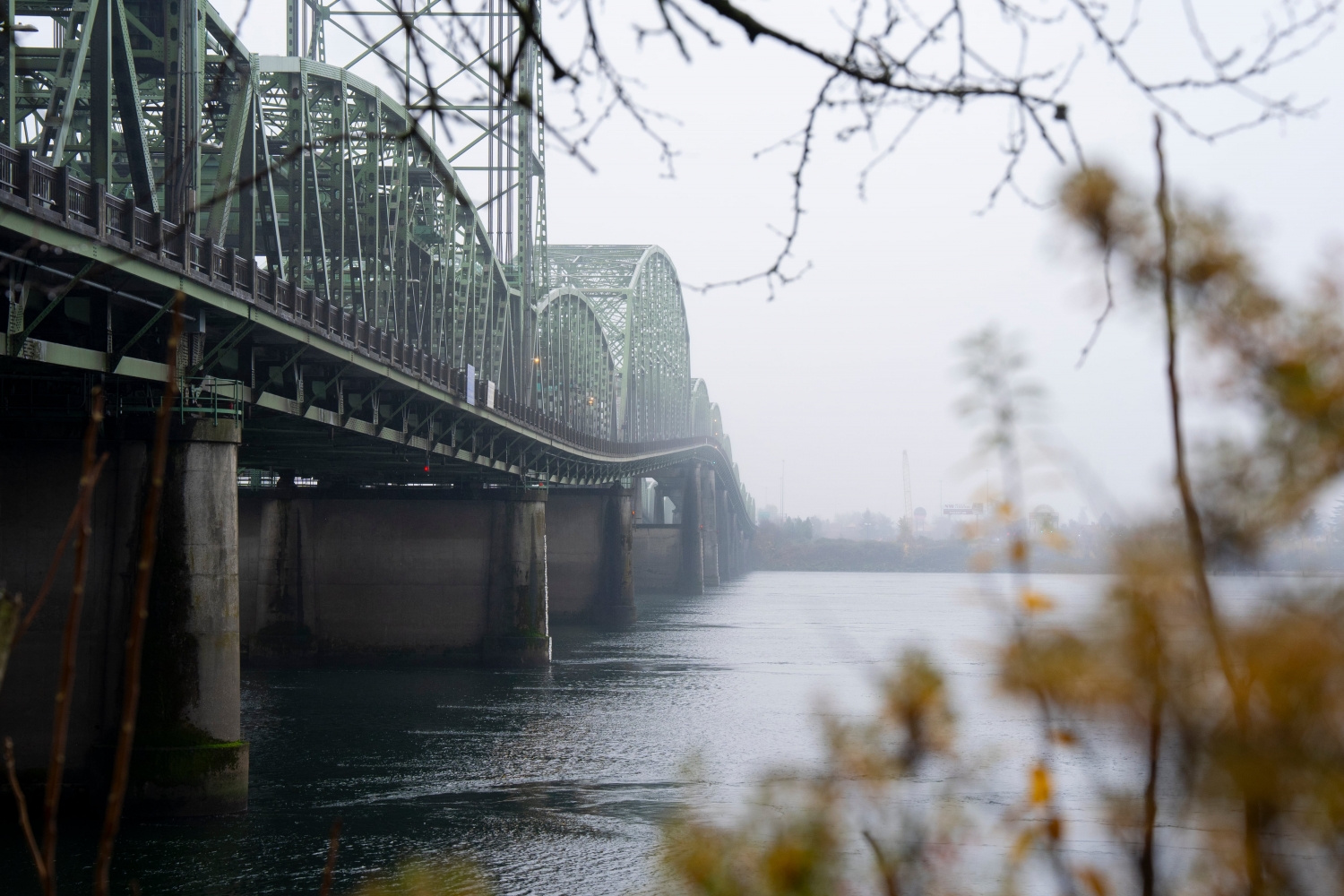
The multi-billion-dollar effort to replace the Interstate 5 bridge connecting Oregon and Washington state has been politically fraught for years. The current drawbridge is nearly a century old, lacks seismic upgrades, and has narrow lanes that create traffic bottlenecks.
However, replacing it will affect neighboring businesses. The Interstate Bridge Replacement Program, operated by both Oregon and Washington transportation agencies, previously said a 116-foot-high bridge would require $140 million in payments to companies operating along the Columbia River.
New details of these mitigation payments were released to OPB through a public records request. The agreements were reached between the IBR, Washington State Department of Transportation, Oregon Department of Transportation and the four river users.
What to know about the Interstate Bridge Replacement’s rising price tag
The companies that struck mitigation deals are:
- Thompson Metal Fab Inc.: $89,990,000
- Advanced American Construction Inc.: $2,200,000
- Greenberry Industrial LLC: $46,900,000
- JT Marine Inc.: $2,000,000.
Officials say paying the more than $140 million in mitigation is still the cheapest option by allowing them to build the less expensive 116-foot-tall bridge design.
The two states’ transportation departments would split that cost.
For the companies to receive these payments, the U.S. Coast Guard must first approve the IBR’s preferred bridge design with the lower height. The two states must also sign an agreement with a contractor to start construction. The IBR does not have to make payments to these businesses if funding for the project is not allocated by the states or the federal government.
The Interstate Bridge Replacement Program is currently deciding between four bridge designs. Height is among the most significant differences between them. In particular, they are considering a 116-foot-high fixed-span bridge versus a design with a movable, elevator-style span that could be raised to 178 feet high, to match the current bridge that dates back to 1917.
Officials with the IBR are pressing for the lower, fixed span design. It would cost an estimated $500 million less than a movable span and would avoid traffic delays that come when raising a draw bridge for vessels to pass beneath.
Interstate Bridge Replacement announces plan for $140 million payout to 4 Columbia River users
The IBR is under intense scrutiny right now over escalating costs for the proposed project. The current price estimate, from 2022, is a range from $5 billion-$7.5 billion. But recently published draft estimates from the IBR suggest that number could more than double.
The U.S. Coast Guard, which manages the waterway, will ultimately decide on the bridge’s height requirement.
Three of the four marine companies that struck deals with bridge developers operate out of the Columbia Business Center in Vancouver, a waterfront industrial park that is the former site of the World War II-era Kaiser shipyards. The fourth, Advanced American Construction, has a facility in Portland.
The company that will get the largest payment, Thompson Metal Fab, manufactures steel components for oil and gas rigs. It depends on shipping its products along the Columbia River, according to the agreements with bridge developers.
Those documents state that Thompson Metal Fab should try to use the funds to “make investments that support facilities in Southwest Washington and/or the Portland Metro area” and it should share how the mitigation payments create a “culture of permanence” in the region by maintaining operations at its current site.
Big projects, bigger problems: Oregon bridge, highway efforts face delays and steep costs
Greenberry Industrial also specializes in construction and fabrication projects in a range of industries, including hydropower, oil and gas. In its agreements with bridge developers, the company said a lower bridge height would affect its ability to compete for contracts and do manufacturing on large projects.
The U.S. Coast Guard recently sought public comments about the 116-foot bridge height from companies that use the Columbia River. The agency is expected to announce its preferred design soon.
News Source : https://www.opb.org/article/2026/01/15/interstate-bridge-columbia-river-companies/
Other Related News

09/21/2026
The No 20 Oregon Ducks have opened as 25-point favorites for Saturdays 430 pm game at No 1...

09/21/2026
Deputies say the man may be linked to multiple vehicle prowls and a firearm theft He may b...

09/20/2026
Presley Gerber 27 son of Cindy Crawford and Rande Gerber died at a Los Angeles California ...

09/20/2026
CORVALLIS Oregon State rolled Montana 52-17 on Saturday at Reser Stadium

09/20/2026
The Washington Commanders must once again rely on backup quarterback Marcus Mariota follow...

Follow

Download Our App


Copyright 2022 © EPUERTO. All Rights Reserved