

Published on: 01/08/2026
This news was posted by Oregon Today News


Description
More than 12,000 Oregon farmworkers lived in housing provided by their employers last year.
But the quality of that housing, in some cases, did not live up to the standards of other Oregon rentals.
For years, farmworker advocacy groups described much of this employer-provided housing as lacking basic amenities. They say there have often not been enough toilets.
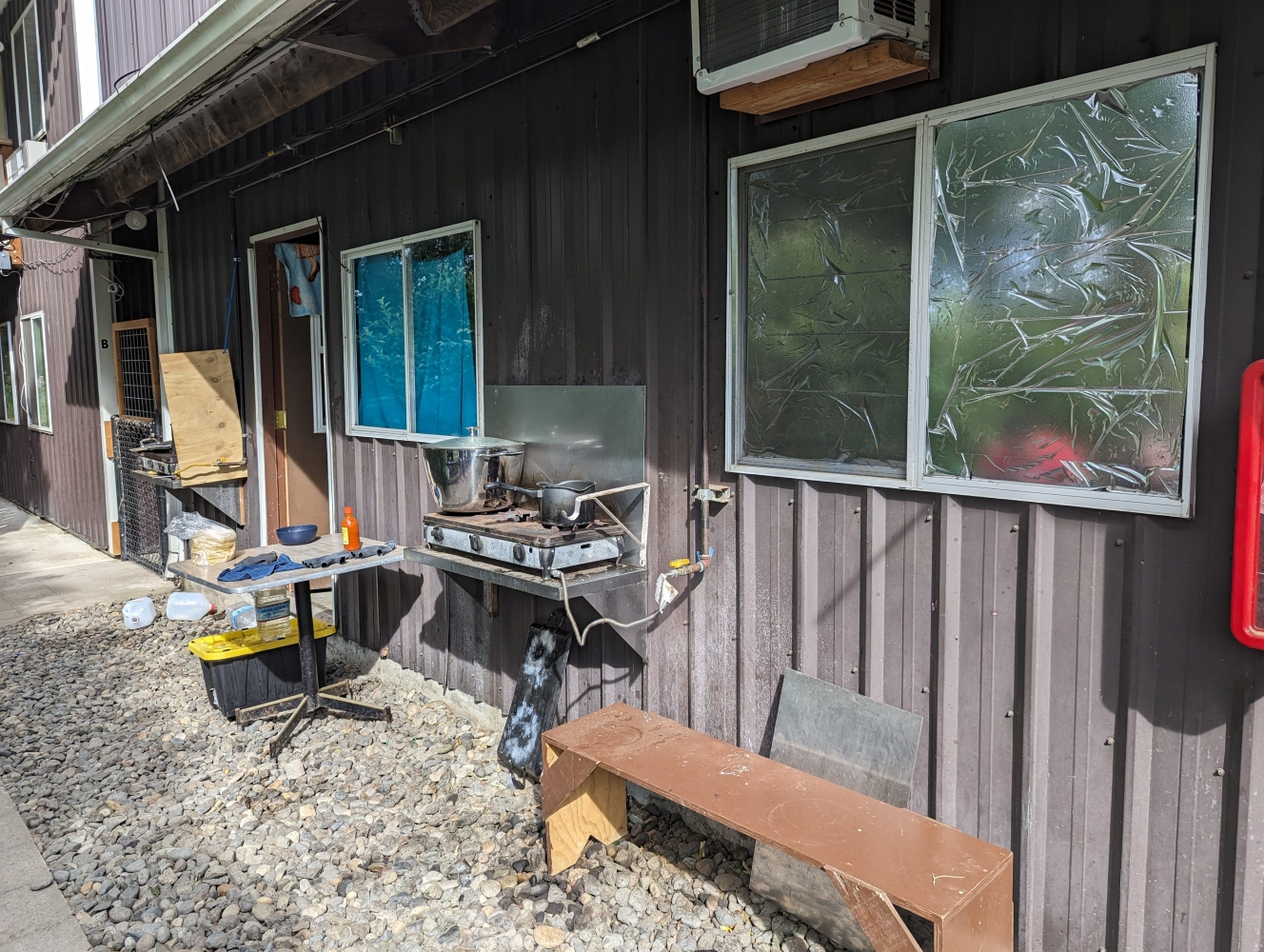
And they cite the lack of indoor kitchens — housing does have kitchens, but they’re often outdoors in screened sheds with a simple gas burner and metal sink.
This year, an effort to improve the living conditions of the people who produce or harvest Oregon crops is starting to bring changes.
Under sweeping changes to the state’s farmworker housing standards made by Oregon’s Occupational Safety and Health Division, or Oregon OSHA — the state agency that regulates on-farm housing — even bigger changes are coming in 2028.

Farmworker groups say these changes are long overdue, calling the previous standards “alarmingly outdated” — but also say Oregon OSHA has not addressed all of their concerns.
Farm lobbying groups, on the other hand, say required upgrades will be too costly for some farms, which could result in less housing and lead to workforce shortages.
Changes coming this year
When Oregon OSHA updated farmworker housing standards, it purposefully phased in changes so that “employers would have the time they need to prepare,” said Aaron Corvin, a spokesperson for the agency.
A 2023 Oregon Housing and Community Services Department report found poor housing conditions and inadequate bathrooms were the most common problems that farmworkers described with on-farm housing. Many migrant farmworkers often follow the harvest season and stay at an on-farm house temporarily.
Oregon farmers say new farmworker housing rules could lead to workforce shortages
Starting this year, their employers need to test for arsenic and nitrates in the water, provide one laundry machine per every 30 people (or one laundry tray or tub per 25 people) and provide mattresses that are at least four inches thick. And outhouses will no longer count toward the ratio of toilets needed in housing — the rules call for one toilet per 10 occupants of each gender.
By 2028, housing will have to have at least 50 square feet per bed in sleeping rooms with bunk beds; currently the rules allow for 40 square feet per bed.
Farm lobbyists groups say complying with some of these required structural changes to housing will be costly. They say farms will either have to expand their housing or remove beds, leading to fewer workers during harvest season.
At the end of 2025, Oregon had 426 registered agricultural labor units housing about 12,390 people, according to data from Oregon OSHA. Much of that housing is in Hood River and Wasco counties — where most of the state’s cherries, apples and pears are grown.
Federal funding to expand affordable farmworker housing reaches Oregon
Corvin said OSHA took care to take into account the economic impact these changes will have on growers.
“The potential costs of achieving compliance with certain provisions of the ALH [agricultural labor housing] rule will vary widely. Some employers will experience no such costs,” Corvin said.
The state made $5 million available through the Oregon Department of Agriculture to help farm owners for the cost of compliance.
There’s also the Oregon Agriculture Workforce Housing Tax Credit, a program designed to offset the costs for employers who invest in agricultural labor housing. But some growers say the money is not enough, especially the high cost of construction.
In November, The Capital Press reported the U.S. Small Business Administration had criticized Oregon’s farmworker housing regulations as an example of a state policy disrupting local economies and interstate commerce.
News Source : https://www.opb.org/article/2026/01/08/oregon-rules-improve-farmworker-housing/
Other Related News

01/09/2026
A beach hazards statement was released by the National Weather Service on Friday at 1246 a...

01/09/2026
Whooping cough cases in Oregon are at the highest that they have been in decades with Jack...

01/09/2026
Dear Eric I recently pet sat for somewhat new friends I had been invited on a weekend trip...

01/09/2026
DEAR ABBY Ive been with my boyfriend for 12 years We have two children and a third on the ...

01/09/2026
Lawmakers will return to Salem in February for a short legislative session

Follow

Download Our App


Copyright 2022 © EPUERTO. All Rights Reserved