


Published on: 03/30/2026
This news was posted by JC News


Description
OHA release - What you should know: Colorectal cancer is the fourth leading cause of cancer deaths in Oregon. Colorectal cancer rates for people under 50 are increasing, screening age recommendations have changed. About 90% of colorectal cancer cases can be prevented through screening. PORTLAND, Ore. - In recognition of Colorectal Cancer Awareness Month, Oregon Health Authority (OHA) is encouraging people in Oregon to talk with their health care providers about colorectal cancer screening and take steps to reduce their risk of the disease. “Colorectal cancer is one of the most preventable cancers when it is detected early through screening,” said Tom Jeanne, M.D., M.P.H., deputy state health officer and epidemiologist at OHA. “Early detection is key. When colorectal cancer is found early, it is highly treatable and often preventable through removal of precancerous polyps. We encourage Oregonians to learn their risk and talk with their health care provider about getting screened.” Colorectal cancer — cancer of the colon or rectum — remains one of the most common cancers in Oregon. According to state cancer registry data: 1,727 Oregonians were diagnosed with colorectal cancer in 2023, and more than 648 people died from the disease that year. Overall, colorectal cancer is the fourth most diagnosed cancer and the fourth leading cause of cancer deaths in Oregon. Screening saves lives: Although colorectal cancer most often affects older adults, health experts are seeing an increase in diagnoses among younger people. In Oregon, and across the United States, the rate of colorectal cancer diagnoses among people under age 50 has increased in recent decades. Due to this increase, health experts now recommend that most adults begin routine colorectal cancer screening at age 45. Screening can detect precancerous polyps before they become cancer or identify cancer early, when cancer is easier to treat. Screening for colorectal cancer is especially important since many people don’t experience symptoms until a later stage of the cancer, when it’s harder to treat. Screening options most commonly include at-home stool tests and colonoscopies, although other procedures can be recommended by health care providers. Oregon has made progress in reducing colorectal cancer rates over the past two decades. The state’s colorectal cancer diagnosis rate declined from 52.5 cases per 100,000 people in 2000 to about 30.8 cases per 100,000 in 2021, reflecting improvements in prevention and screening. Even so, people in rural Oregon have lower colorectal cancer screening rates than people in cities. They also have higher overall rates of colorectal cancer, later‑stage diagnoses, and higher death rates. This is mostly because rural communities have less access to primary care, cancer screening, and medical specialists. Wait times are longer, and sometimes there are no providers at all. As a result, many people must travel long distances for care, which can deter them from seeking care altogether. OHA is committed to eliminating health inequities and continues to work with rural and frontier communities in many ways to reduce identified barriers to care. The Oregon Health Plan (OHP) covers some at-home stool tests, as well as colonoscopies, with no cost sharing. Health care providers serving people in rural areas can recommend at-home stool kits for appropriate patients, which can help reduce barriers to getting screened. Reducing your risk: OHA encourages Oregonians to take steps that can help lower their risk of colorectal cancer. Get screened starting at age 45 or earlier if recommended by a provider; Eat a balanced diet rich in fruits, vegetables and whole grains; Avoid high amounts of fat and limit processed and red meats; Avoid excessive alcohol consumption; Stay physically active; Avoid tobacco. To learn more about colorectal cancer screening in Oregon, visit the Oregon Healthy Authority’s colorectal cancer program website www.thecanceryoucanprevent.org.
Other Related News

03/30/2026
With millions estimated to have taken part in the nationwide No Kings rallies Portland soc...

03/30/2026
The rising cost of gasoline slowed a bit last week The national retail average for a gallo...
03/30/2026
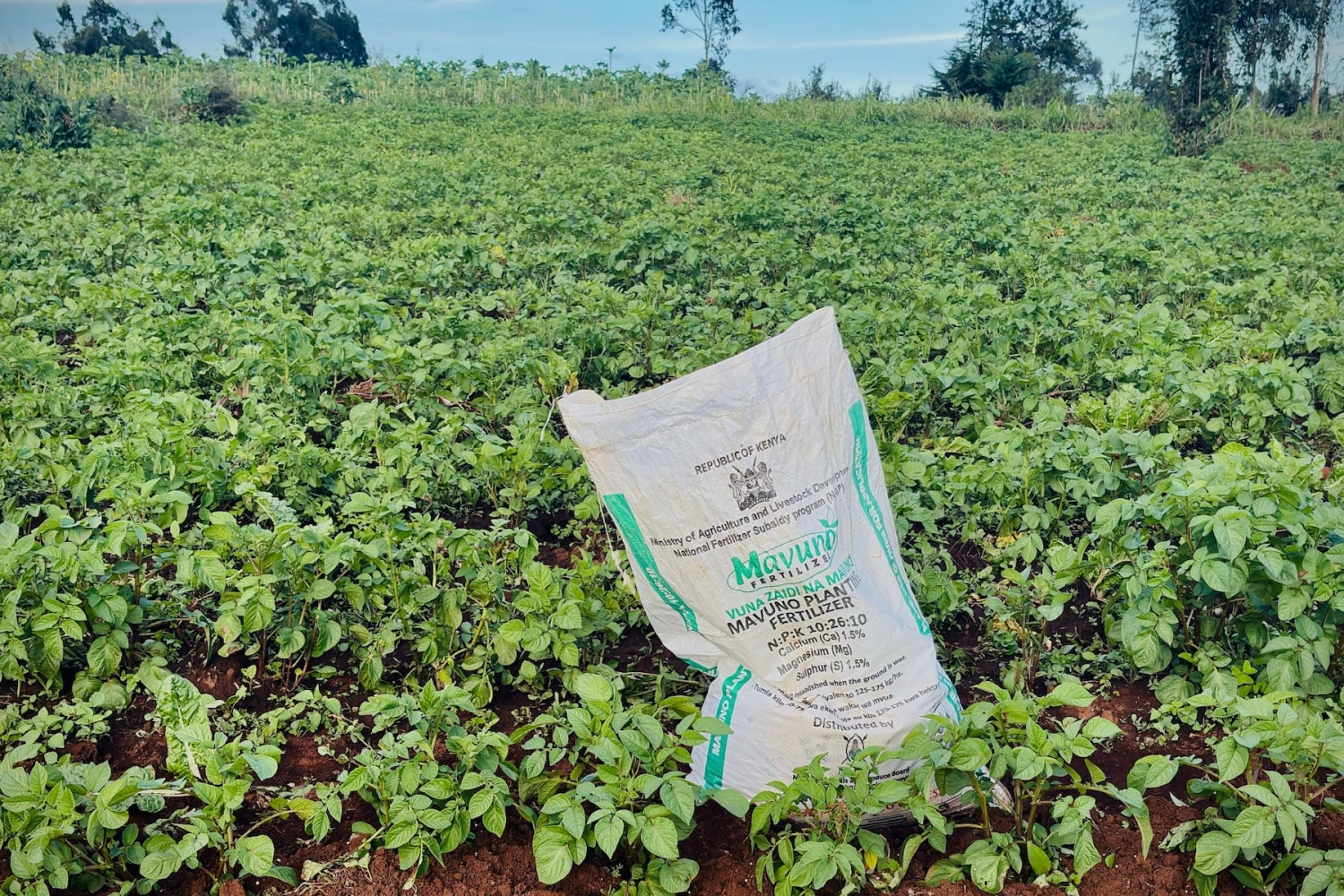
HANOI Vietnam Farmers around the world are feeling the squeeze of the Iran war Gas prices...

03/30/2026
Ron Rosano is one of the worlds most dedicated space tourists

03/30/2026
When Libby Sanfords son came home from his first day of kindergarten in Beaverton she anti...

Follow

Download Our App


Copyright 2022 © EPUERTO. All Rights Reserved