

Published on: 04/04/2026
This news was posted by Oregon Today News


Description

This story was originally published by The Lund Report, an independent nonprofit health news organization based in Oregon. It is republished with permission. You can reach Joanne Zuhl at [email protected].
Opioid deaths across Oregon are in decline for the second year in a row, according to federal health projections, dropping nearly 20% in the 12 months ending in August 2025 compared to the same time a year ago, and more than 30% down from the state’s peak in May 2024.
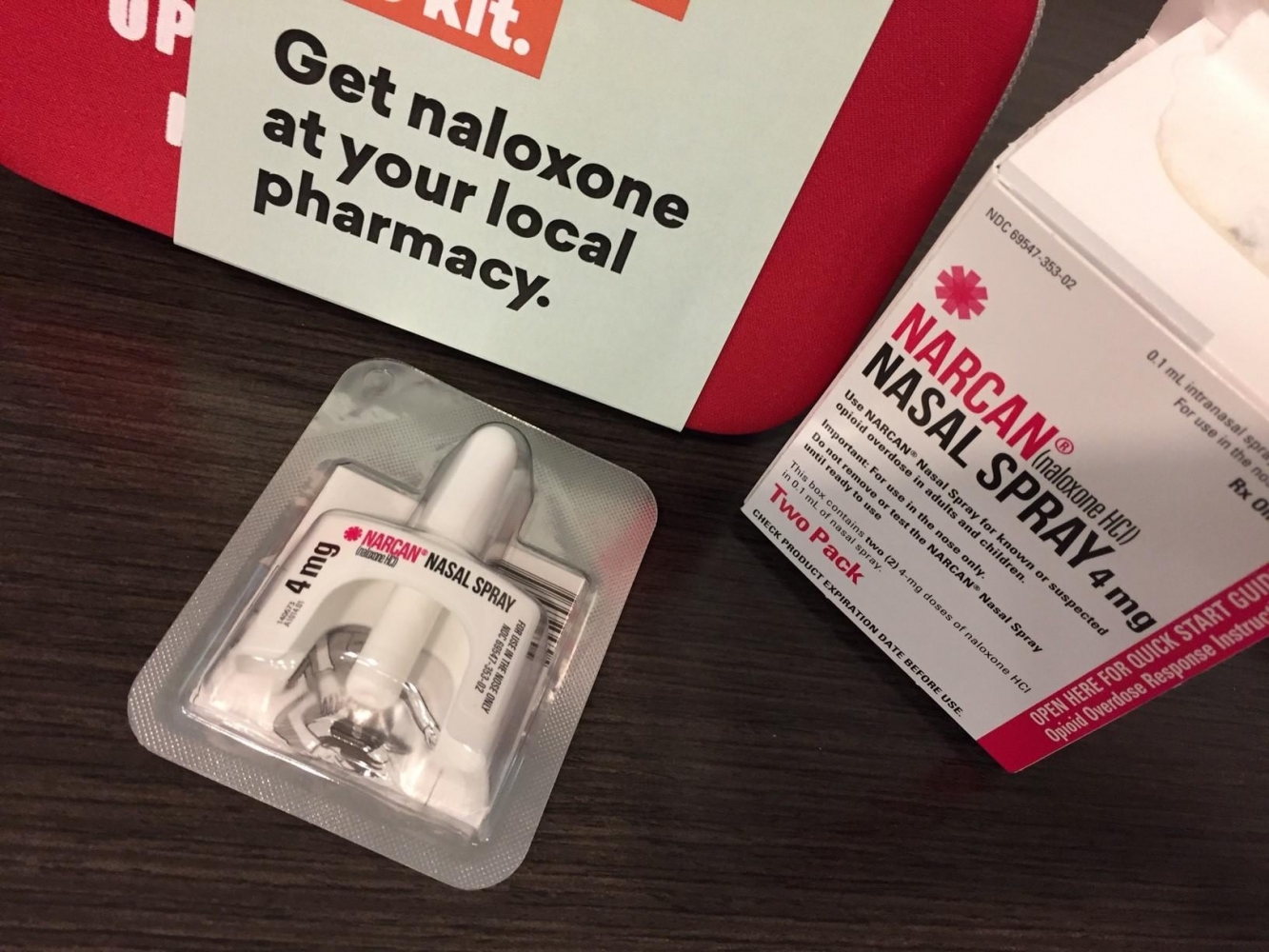
Health experts say multiple factors contributed to the decline, from the increased availability of Narcan to crackdowns on overseas manufacturers.
In the 12-month period, 1,015 Oregonians were confirmed or suspected of dying from opioid overdose, most commonly from fentanyl and often in combination with the stimulant methamphetamine, according to the latest data released in March from the National Vital Statistics System. That’s down from 1,272 deaths in the previous 12-month period.
Dr. Todd Korthuis, head of the addiction medicine section at Oregon Health & Science University, said any reduction in overdoses is good news, but the problem persists.
“We shouldn’t rest and assume that the risk has passed, because people are still dying, and they’re dying at rates that are higher than we experienced 10 years ago,” Korthuis told The Lund Report. “This is progress, but we’re not out of the woods.”
The proliferation of illegal fentanyl throughout the United States has been the leading driver in the rise in fatal overdoses for more than a decade, according to the Centers for Disease Control and Prevention, peaking at 86,000 people dead from opioid overdoses in the year before July 2023. The drug began to flood Oregon’s illicit drug market in 2019, according to state health officials, and increased sharply during the COVID-19 pandemic, becoming the leading cause of accidental overdose deaths in the state, particularly among people of color.
Now, for the first time since the opioid epidemic was declared a public health emergency in 2017, the rates across the country have declined two years in a row, according to the federal data. As of October, opioid deaths nationwide have declined 46% since the peak year in 2023, with 46,066 recorded or suspected deaths from opioid overdoses. The data from the federal system represent estimates of the number of deaths adjusted for incomplete reporting and pending investigations.
Nearly all states saw a reduction in opioid deaths in the past 12 months, but the rates vary significantly from state to state. Neighboring Washington state, for example, saw less than a 1% decline in the 12 months ending in October, but had an 11% drop the year prior.
Arizona, Colorado and New Mexico saw their rates of opioid-related deaths increase.
Still, Oregon’s rate of deaths caused by opioids is nearly three times what it was in May 2020, near the start of the pandemic, when 351 people died from overdoses.
Access to treatment, manufacturing disruptions credited for decline
Similar to morphine but far more potent, fentanyl is used in controlled medical settings to treat patients with chronic severe pain or severe pain following surgery, according to the Drug Enforcement Administration. Illicitly manufactured fentanyl is cheap to produce, and because of its potency and low cost, it is often mixed into counterfeit pills or with other drugs, including heroin, methamphetamine, and cocaine, in unknown amounts, contributing to the risk of overdose.
Korthuis credited multiple factors for bringing down the rates of overdoses in Oregon, including expanded access to medication-assisted treatments such as buprenorphine and methadone. Methadone has long been a treatment for heroin addiction, but has proven popular as an option for people looking for withdrawal relief from fentanyl.
Korthuis also pointed to Oregon’s expanded accessibility to overdose reversal treatments such as naloxone, also known by the trade name Narcan, which is distributed to more than 380 organizations through the Save Lives Oregon program run by the Oregon Health Authority in conjunction with partnering organizations.
“Both medicines treat opioids, and overdose reversal agents like Naloxone clearly save a lot of lives,” Korthuis said. “We have naloxone in all sorts of high-risk settings, including our community-based peer outreach organizations that are doing life-saving work around the state, emergency departments, other health care settings, and even school-based clinics.”
But Korthuis and other health experts agree that the biggest contributor to the decline in deaths is the disruption in the illicit fentanyl trade, starting with a crackdown on manufacturers in China. The disruption in the supply is credited with slowing the flow of the drug into the United States, leading to weaker potencies, resulting in fewer overdoses, according to research published in the journal Science.
It’s also a reason to remain vigilant, according to Korthuis, because policies and drugs can change.
“It isn’t perfectly under our control. It could turn on a dime, and those same factors that seem to be contributing to declines in overdoses could reverse, or maybe they begin manufacturing the next target,” Korthuis said. “This is why we need to continue strong support for naloxone distribution and continue evidence-based prevention activities in young people before they start, before they’re exposed to these and other future drugs.”
Fatal overdoses only tell part of the story. According to the Oregon Health Authority’s 2025 report to the legislature, there were 4,193 inpatient hospitalizations associated with a drug overdose and 10,365 overdose-related emergency department visits in 2024. Those figures are considered an undercount, as they do not include overdoses that happen outside of health care services, such as those that are reversed in community settings using opioid overdose reversal medications like naloxone.
Communities of color that have disproportionately experienced systemic racism and socio-economic inequities continue to experience the highest rates of fatal and nonfatal overdoses in Oregon, according to state health officials.
This republished story is part of OPB’s broader effort to ensure that everyone in our region has access to quality journalism that informs, entertains and enriches their lives. To learn more, visit opb.org/partnerships.
News Source : https://www.opb.org/article/2026/04/04/oregon-opioid-overdoses-decline/
Other Related News

04/04/2026
A beloved coach and father from Maine died while rescuing his children from rip currents d...

04/04/2026
Dear Liz My wife and I are blessed to have a very significant income from real estate hold...
04/04/2026
Multnomah Countys elected watchdog has opened a broad review of the governments handling o...

04/04/2026
Since last fall small mosaic art pieces have been mysteriously appearing in sidewalk crack...

04/04/2026
DEAR MISS MANNERS Several weeks ago I accepted the invitation of a good friend to attend t...

Follow

Download Our App


Copyright 2022 © EPUERTO. All Rights Reserved