


Published on: 04/03/2026
This news was posted by JC News


Description
OHA release - PORTLAND, Ore. – As Easter approaches and families plan holiday gatherings, Oregon Health Authority (OHA) is cautioning against buying chicks, ducklings or other baby poultry as gifts. Close contact with the cute and cuddly critters can make children ill from Salmonella, which can sometimes be carried by chicks and the other Easter-themed animals. “Giving chicks and ducklings as gifts should be avoided,” said Emilio DeBess, DVM, public health veterinarian in the Acute and Communicable Disease Prevention Section at OHA’s Public Health Division. “Young children characteristically will hug and even sometimes kiss the animals and often may not wash their hands afterward,” DeBess added. “Handling live poultry can lead to Salmonella infection, which can be especially virulent in children younger than 5 because their immune systems are not fully developed.” Salmonella infections cause salmonellosis, which can result in diarrhea, abdominal cramps and fever lasting three to seven days. Anyone with compromised immune systems, the very young and older adults could become very ill and even die of the infection. Since 2020, five outbreaks of illnesses caused by Salmonella bacteria from baby chicks have occurred in Oregon, affecting at least 55 cases of salmonellosis. About half of the cases were children younger than 18. OHA offers the following tips: Children younger than 5, older adults, or people with weak immune systems should not handle or touch chicks, ducklings or other live poultry, or rabbits. Make a general rule that after kids touch any animal, they immediately wash their hands with soap and water. If kids handle chicks, discourage them from nuzzling or kissing them. Don’t eat or drink in an area where animals roam. For more information about baby birds and salmonella, visit http://public.health.oregon.gov/DiseasesConditions/CommunicableDisease/Pages/FS-Baby-birds-and-Salmonella.aspx
Other Related News

04/03/2026
A central question in 2026 is whether the Climate Protection Program will make a material ...

04/03/2026
While doing some housekeeping recently I ran across a letter I submitted to The OregonianO...
04/03/2026
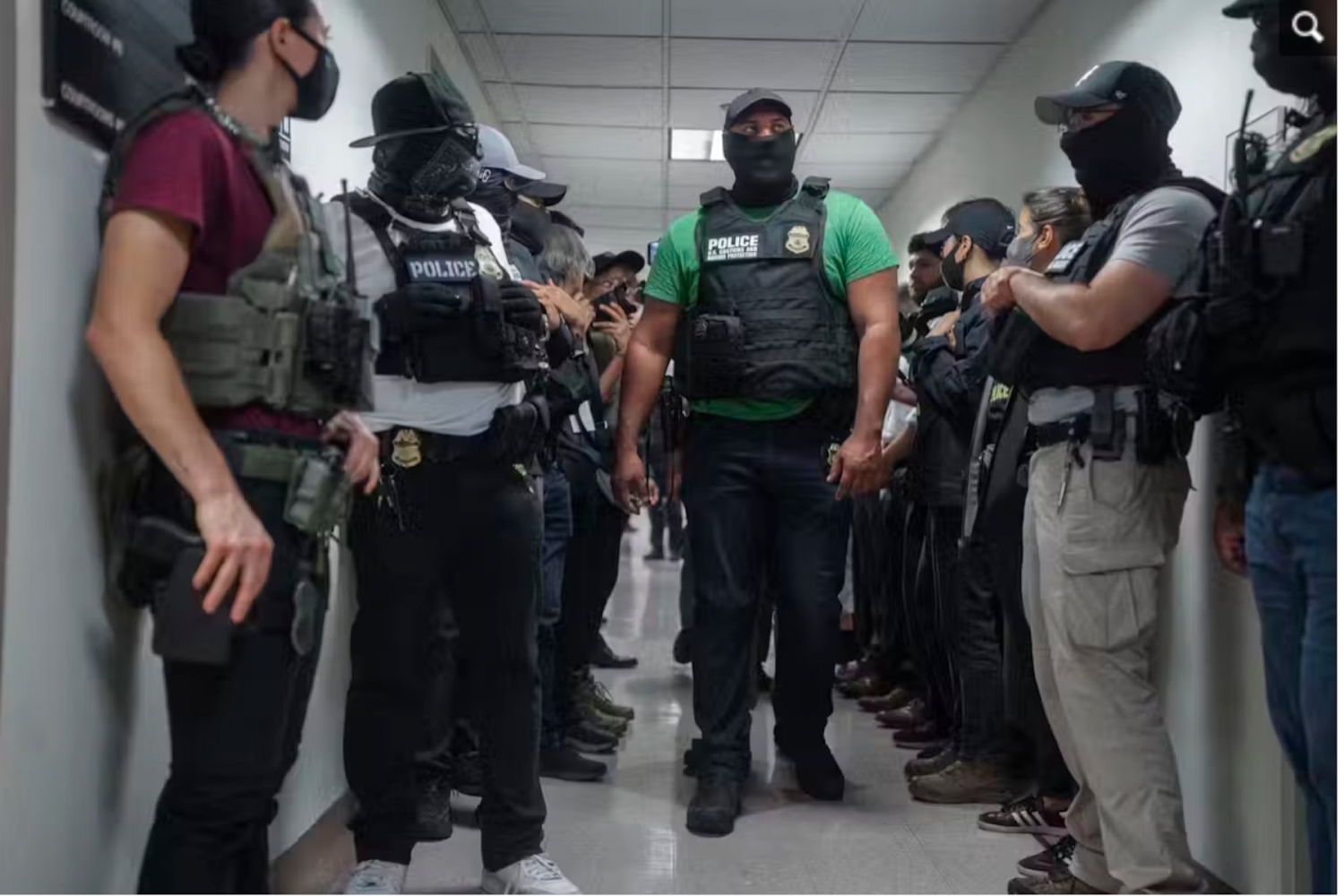
You wont see police in Oregon arresting masked-up federal agents under the states new legi...

04/03/2026
A defensive lineman for Oregon football with local ties was injured in a car accident this...

04/03/2026
As Justice Department officials are working to acquire sensitive voter registration data f...

Follow

Download Our App


Copyright 2022 © EPUERTO. All Rights Reserved