

Published on: 03/12/2026
This news was posted by Oregon Today News


Description
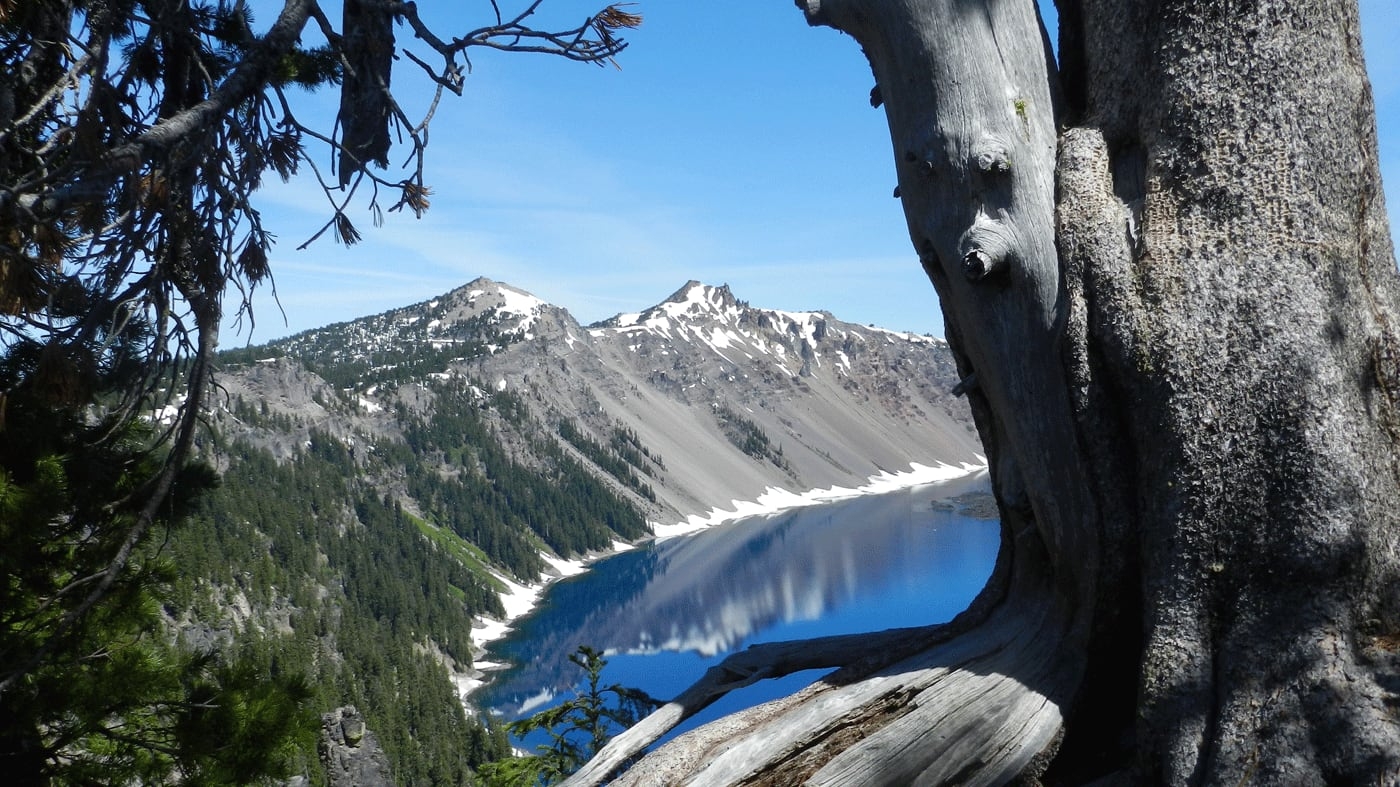
In 2002, Crater Lake National Park ecologist Michael Murray thought the park’s majestic whitebark pine trees were as good as gone.
An invasive fungus called white pine blister rust was killing the rugged, long-needle pines that line the rim of Mount Mazama’s crater and frame its gleaming blue lake. And there was nothing he could do to stop it.
“The way I see it now, the extinction of whitebark pine in the park is imminent,” he told OPB’s “Oregon Field Guide” back then. “I expect us to lose about 90% of the whitebark pine in this park — at least.”
The blister rust fungus was accidentally introduced to the U.S. in a shipment of infected nursery trees from Europe around 1900. Since then, it’s wiped out millions of whitebark pine trees across the western U.S. and threatened the survival of the species.

But Oregon scientist Richard Sniezko saw a way to save these trees from extinction using a method that can also help protect other species
A geneticist with the U.S. Forest Service, Sniezko told Murray there might be some whitebark pine trees with natural resistance to the blister rust disease. He had already found genetic resistance to blister rust in other pine trees through his work with the Dorena Genetic Resource Center in Cottage Grove, Oregon.
“At that point in time, back in the early 2000s, very little was known about resistance in whitebark pine,” Sniezko said. “It was expected to be one of — if not the most susceptible of our white pine species.”
If scientists found genetic resistance in existing trees, the seeds from those trees could be used to grow and plant a future forest that wouldn’t be wiped out by blister rust. And Crater Lake’s whitebark pine trees could survive.
In 2002, Murray and Sniezko started collecting cones from whitebark pine trees at Crater Lake National Park and testing them at the Dorena lab for resistance to blister rust infection.
Decades later, hundreds of trees across Oregon and Washington have been identified as having natural resistance to blister rust. Thousands of their seedlings have been planted at Crater Lake — and across the region.
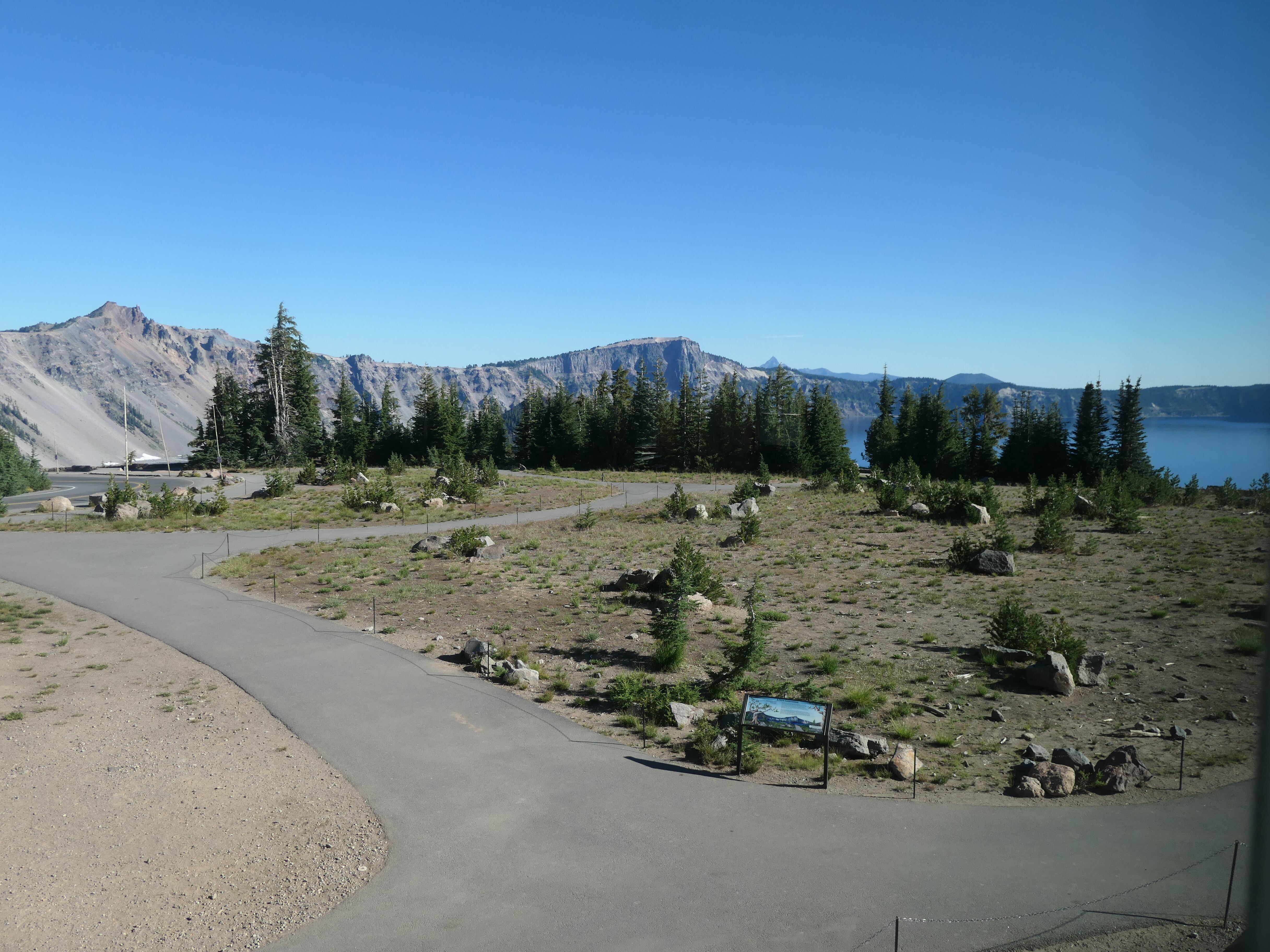
Whitebark pine was listed as a threatened species in 2022, and the trees are still in decline. Other threats still loom for them — like the mountain pine beetle — especially in a warming climate with declining snowpack.
But thanks to decades of trial-and-error genetics work, they’re no longer facing imminent extinction, at Crater Lake National Park or across the Northwest.
“Blister rust in many areas will be more a minor nuisance rather than a major problem that threatens the existence of the species,” Sniezko said. “It’s gratifying to have that type of accomplishment. You can say, ‘Hey, you solved the blister rust problem.’”
Finding the survivors
Every year for the last 24 years, Sniezko has grown whitebark pine seedlings in a greenhouse, using seeds collected from the forest.
Then, he tries to kill them by infecting them with the blister rust fungus.
Inside a fog chamber, he and his team put leaves from infected plants on screens above their tree seedlings. Then they cover them with a plastic tarp and turn up the fog to 100% humidity.
“This fog chamber provides the optimal environment for the disease to progress,” Sniezko said. “For the spores to fall … and infect the pine.”
They plant the seedlings from different parent trees in test plots. Then, Sniezko watches the trees for years to see how they respond to blister rust infection.
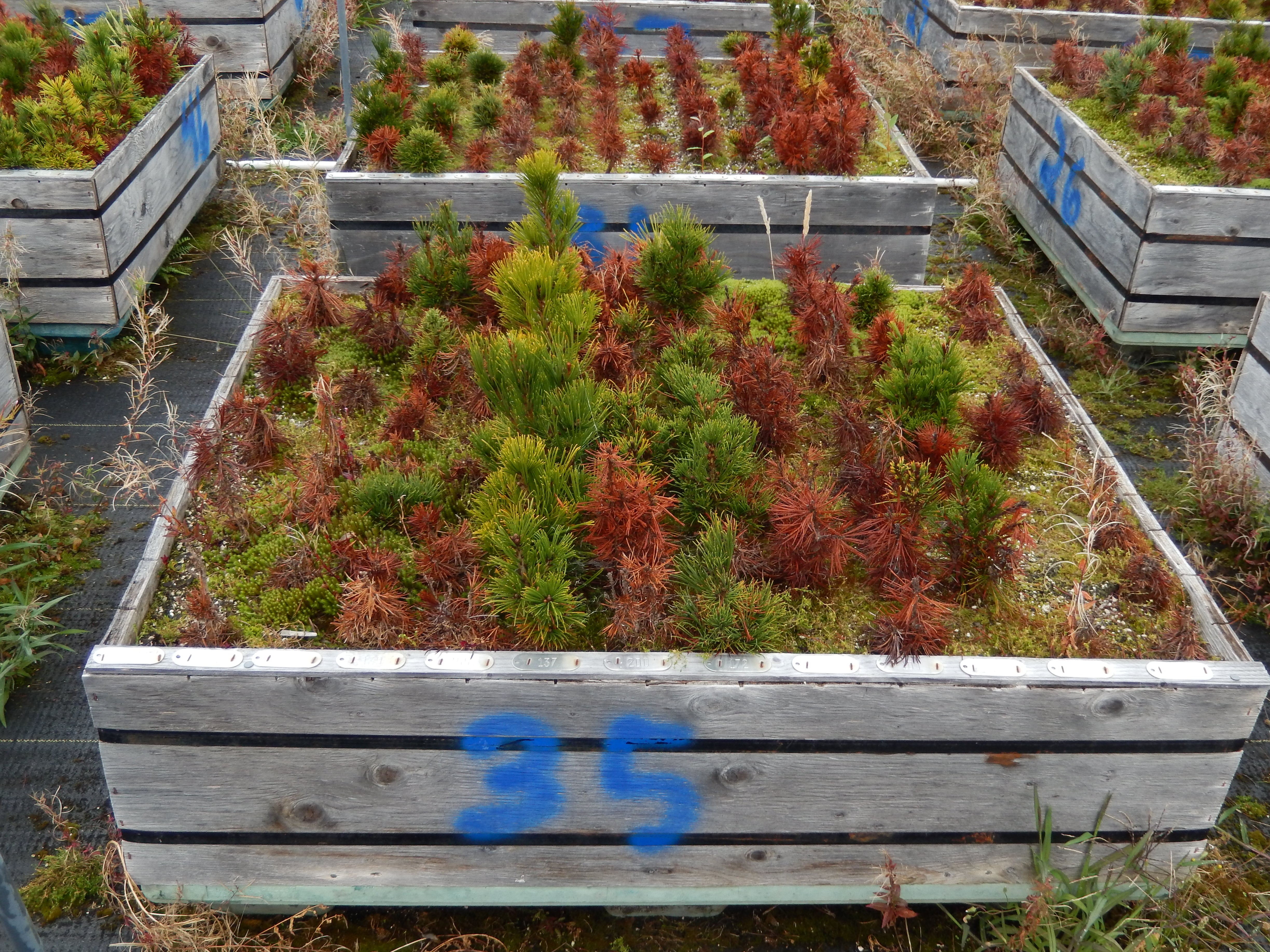
“Within a year, we know the most susceptible ones,” he said, “because they’re usually 100% cankered. They will start to die soon after that.”
But not all of the trees die. He’s now tested seedlings from about 1,600 trees, from forests across the Northwest.
And he’s found quite a few survivors. About 25% of the trees tested have shown they can survive blister rust infection.
The survivors get planted in the forest so they can replace the trees getting wiped out by blister rust.
“We’re kind of the triage,” he said. “We’ve got to fix a problem. To me, it’s a puzzle.”

He’s now working with tree-climbing teams in the U.S. Forest Service to cross-breed parent trees that have genetic resistance so they can grow seedlings from their offspring that might have even stronger resistance to blister rust.
“My goal is to make us the best center in the world for disease resistance breeding, and I think we’re very close,” Sniezko said. “Our job is to find a solution and get it back out there so that it can be planted in all the lands with our partners and cooperators.”
He’s now working with multiple agencies and Indigenous tribes to collect cones, test them for blister rust resistance and plant surviving seedlings on the landscape.

“It’s exciting, you know, trial and error,” said biologist Thomas Allen at Crater Lake National Park. “With enough monitoring and enough experiments, we can have these little a-ha moments. … It’s a hope.”
Allen planted hundreds of surviving seedlings at Crater Lake National Park last year.
“And hopefully, we can keep these trees growing for many centuries to come,” he said.
Data show the park lost about a third of its mature whitebark trees from 2003-2022. But the park has six restoration planting sites where blister rust resistant whitebark pine trees have been planted as far back as 2009, and they’ve treated dozens of older whitebark pines with verbenone pheromone to ward off attack by the mountain pine beetle.
“It’s gonna be a while, but this process of finding the rust resistant seedlings is very promising,” Allen said.
A way to speed up the process?
Diana Tomback, a professor at the University of Colorado Denver who has been working on whitebark pine restoration for decades, said Oregon’s Dorena lab has been a leader in identifying blister rust resistant trees to help restore the species.
But its lengthy screening process for finding genetic resistance is time-consuming and expensive, she said.
“It’s kind of like looking for a needle in a haystack,” she said. “It can take 10 years to absolutely confirm that a tree is resistant. … Our biggest bottleneck right now is the person power and the ability to go out and do large-scale collections of seeds for restoration.”
She said the genome sequencing of whitebark pine trees might save scientists like Sniezko from having to spend years collecting cones, testing for resistance and monitoring seedlings.
“What we’re hoping is that they can look at trees that have usable resistance … and see if they can identify the genes responsible for resistance instead of going through this screening process,” she said. “We’re hoping that can fast-track our ability to identify resistant trees and save a lot of money.”
A multi-purpose solution
Sniezko said the same method he uses for finding genetic resistance can be used to help solve other ecological problems — like fighting other invasive species or protecting species from climate change.
He’s already started the process of looking for Oregon ash trees that can withstand the invasive emerald ash borer beetle that’s killed millions of ash trees across the country.
“I think what we’ve shown is proof of concept,” he said. “In many cases, you can have a solution using resistance, so that’s gratifying. And others are picking up on that idea worldwide.”

Scientists from Sweden have visited the Dorena lab so they can use the same technique to help their troubled trees. Sniezko is advising scientists in Australia on an invasive fungus that has killed hundreds of tree species there.
And Michael Murray, the former Crater Lake National Park ecologist, took this science with him to his current job as forest pathologist for the ministry of forests in British Columbia.
In 2013, he launched Canada’s first blister rust resistance program for whitebark pine, and he has identified about 25 trees in British Columbia that can survive blister rust infection.
He’s still worried about the whitebark pine population.
“Twenty-five trees for this vast area is not a whole lot,” he said. “And you’ve got to consider that some of those trees are going to die either from fire or pine beetles, so we’re not going to have those sources forever.”
But he’s cautiously optimistic that finding and planting trees that can survive blister rust will ultimately save the species from extinction.
“There’s plenty of reason for hope,” he said in an interview this week. “That’s what keeps me working. It’s my favorite part of the job.”
News Source : https://www.opb.org/article/2026/03/12/oregon-scientists-crater-lake-blister-rush-fungus-pine-trees/
Other Related News

03/12/2026
South Coast Humane Society - the real oneOur Thrift Store Beauty Brenda is blossoming and...
03/12/2026
Subscribe to OPBs First Look to receive Northwest news in your inbox six days a weekGood m...

03/12/2026
PRNewswire-PRWeb -- With half of US companies expecting employee turnover to rise this yea...
03/12/2026
A flood watch is in effect through Friday night for much of Northwest Oregon and Southwest...

03/12/2026
Financial scams targeting older adults have grown into a major problem in recent years

Follow

Download Our App


Copyright 2022 © EPUERTO. All Rights Reserved