

Published on: 05/20/2026
This news was posted by Oregon Today News


Description

Oregonians delivered a blunt message to state leaders when asked to approve new taxes and fees to shore up transportation funding: Find another way to fill our potholes.
More than 83% of voters across the political spectrum rejected Measure 120, which included a 6-cents-per-gallon gas tax, increases in vehicle title and registration fees and a temporary payroll tax to buoy the state’s ailing roads, bridges and public transit systems.
Burdened by rising costs for fuel, housing, utilities and food, most voters were not in the mood. In the Portland metro area, which historically provided favorable ground for tax measures, 75% of voters rejected the measure. In Eastern Oregon, more than 90% of voters in most counties rejected it; in Harney County, nearly 97% of voters said no.
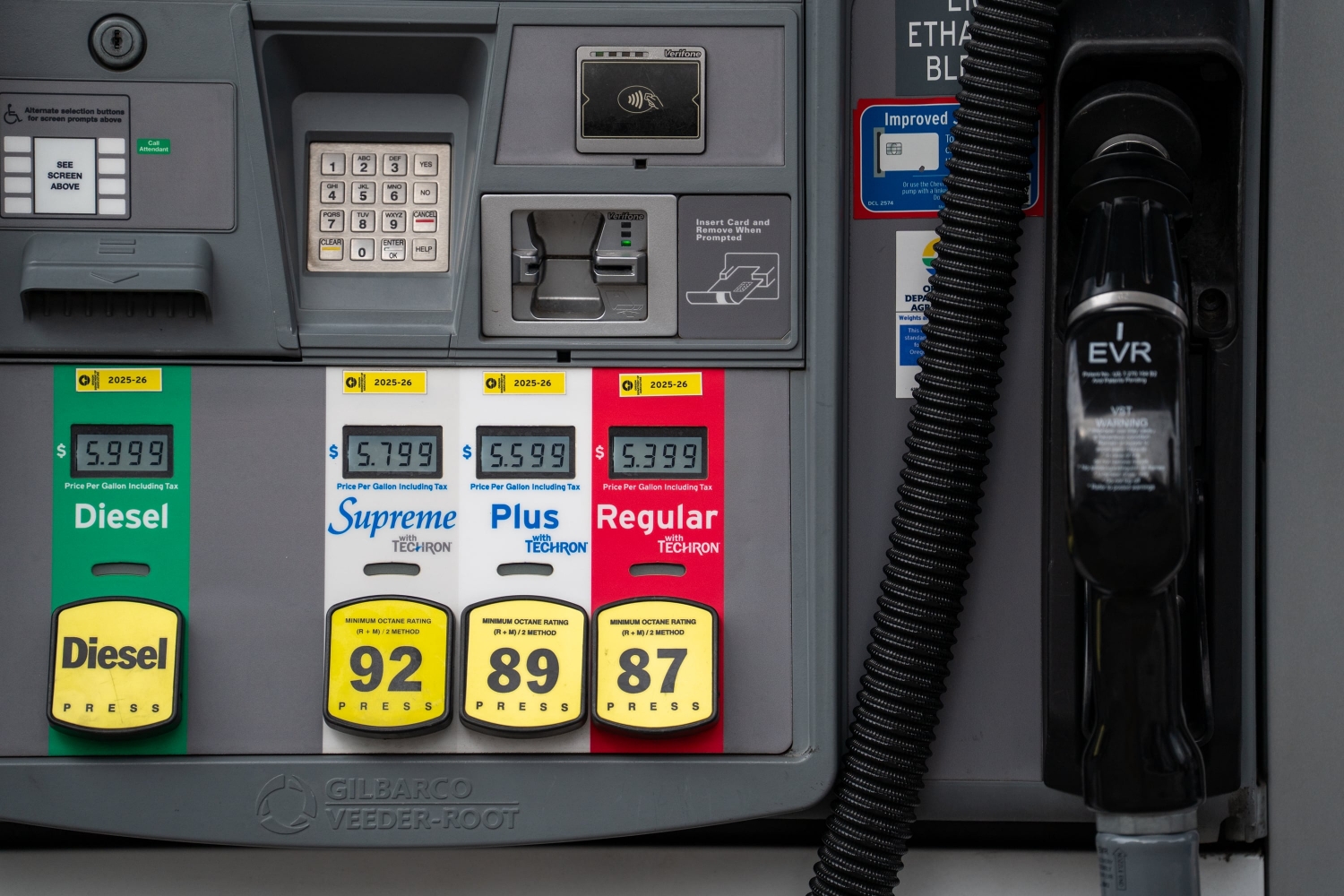
“I think it’s a reflection of the current moment, where gas prices have jumped by 40%, in some places 50%,” said Melissa Unger, executive director of SEIU Local 503, the union that represents roughly 2,500 operations and maintenance workers at the Oregon Department of Transportation. “I think you saw that people are feeling that, and they’re feeling that in the results.”
Those results were unsurprising to many. The measure faced tall odds even before the war in Iran sent gas prices through the roof. Still, on Wednesday, in the wake of such a resounding defeat, it wasn’t clear precisely how leaders planned to find the money to pave roads, replace bridges and uphold public transportation in the long run.
Transportation leaders say they are hashing out a plan. Gov. Tina Kotek has convened a workgroup to “build an achievable vision for Oregon’s transportation system,” a spokesperson said. The group was announced weeks before Tuesday’s primary, an apparent step toward preparing for the measure’s downfall. Its first meeting was on May 1.
In a statement Wednesday, Kotek blamed President Trump for the gas tax’s failure, saying his “reckless war with Iran has increased prices at the pump and made Measure 120 nearly impossible for voters to support.”
“Oregonians deserve a safe and reliable transportation system,” she said, “and I am committed to working in a bipartisan fashion to achieve our state’s future goals.”
Meanwhile, Republicans used the measure’s failure to take Kotek and Democrats to task, criticizing the majority party for trying to raise taxes and fees at a time when voters are feeling the pinch.
“I think they’ve said loud and clear: More taxes on this issue isn’t the solution. And so they want to see a pivot, and I don’t see that the majority party has really given any other solutions,” House Republican leader Lucetta Elmer told OPB Wednesday. “They continue to want to just try the tax route.”
A long road to failure
The gas tax’s failure is the culmination of a lengthy, politically charged struggle to reshape how Oregon pays for roads built decades ago for far fewer drivers. The current system gets some funding from grants and property taxes, but most of its budget comes from the state highway fund, which includes DMV fees and taxes levied on heavy trucks and fuel.

But agency budgets are not keeping with rising costs, partly due to inflation, while Oregon’s infrastructure continues to deteriorate. Lawmakers ultimately passed a bill with the proposed taxes and fees last fall, but Republicans gathered enough signatures to refer it to voters.
Barring a new funding solution, ODOT has long warned of mass layoffs, but Measure 120’s failure won’t have such immediate consequences. Lawmakers managed in this year’s short legislative session to prevent agency layoffs by passing a budget that relied largely on slashing existing vacancies and other funding cuts.
“ODOT will continue to work with Governor Kotek, policymakers and community leaders to identify a sustainable plan to maintain the safe and reliable transportation system Oregonians deserve,” Katherine Benenati, a department spokesperson, said in a statement Wednesday.
But absent new sources of funding, leaders are warning of steep public transit cuts. And without ample funding for local transportation departments, it could be harder to keep the state’s roads and bridges strong enough to withstand the state’s growing population.
“In this particular instance, I think people are going to get what they paid for,” said Rep. Paul Evans, D-Monmouth, a member of the legislature’s transportation committee. Had it gone into effect, he added, the measure “would have made a lot of difference in the lives and safety of Oregonians.”
Lawmakers are primed to take up transportation again in next year’s legislative session. The specifics will be heavily contingent upon who is elected governor in November. Kotek is up for a rematch with Christine Drazan, a Republican state legislator who won the party’s nomination in Tuesday’s primary election.
News Source : https://www.opb.org/article/2026/05/20/gas-tax-failture-transportation-voters-high-costs/
Other Related News

05/20/2026
Final Cut An Interactive Murder Mystery May 22 and 23 There are only three chances to ...
05/20/2026
Elon Musk announced plans Wednesday for one of the biggest sales of stock to the public ev...
05/20/2026
Finally opponents of such ideas have taken the threat seriously

Follow

Download Our App


Copyright 2022 © EPUERTO. All Rights Reserved