

Published on: 04/28/2026
This news was posted by Oregon Today News


Description
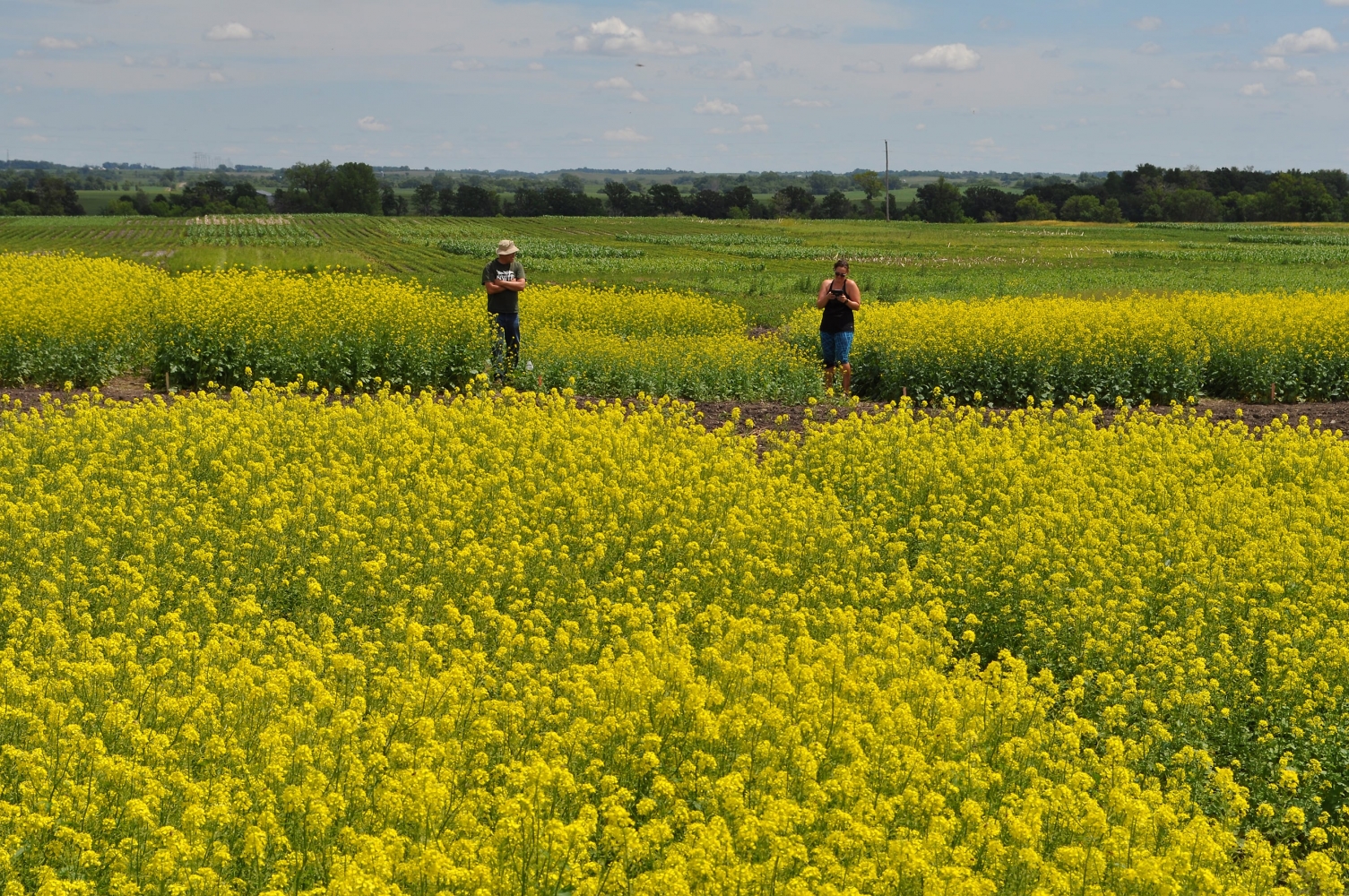
For many years, Oregon agriculture regulators have taken a cautious approach to a crop widely used for its oil because of its ability to easily cross-pollinate with like species.
Now, the Oregon Department of Agriculture is considering lifting a strict set of rules that effectively ban canola in Central Oregon, saying the crop could give farmers more options as they face a future with less water.
But some farm groups say they are worried about what this change could mean on the other side of the Cascade Mountains in Oregon’s Willamette Valley – where farmers have long been at odds with each other over whether to allow it.

Canola is an edible variety of rapeseed – the word “canola” is a contraction of Canadian Oil, Low Acid. Widely used to produce cooking oil and animal feed, it belongs to the Brassica plant family – a wider group of plants that includes mustard, broccoli, Brussels sprouts and turnips.
Farmers have long grown canola across Oregon, but the crop is a notorious cross-pollinator with other Brassica plants. That happens when insects, animals or the wind carry pollen from plants to other plants, creating a hybrid seed that might not be what the grower originally intended.
Concerns over canola in the Willamette Valley
Oregon, especially the Willamette Valley, is one of a few places in the world with the right conditions to grow Brassica vegetable seeds.
Opponents of canola often argue that to allow more of it to be grown could put the genetic purity of Brassica seeds at risk and irreversibly destabilize an entire specialty seed market that brings millions of dollars in revenue to the state and provides the world with vegetables.
“We are very concerned about this because of the potential to destabilize the trust that seed companies the world over have in this region for producing quality Brassica seed that is true to its type and will produce the varieties that we’re looking for and that people want to eat,” said Alice Morrison, the co-executive director of Friends of Family Farmers.
That nonprofit represents small to mid-sized Oregon farmers, most of which sell their produce or meat directly to consumers at farmers markets or through a community supported agriculture, or CSA, model.
To prevent this problem, the Oregon Department of Agriculture administers what are referred to as “protected districts” that limit where and how Brassica crops can grow.
The agency is currently drafting up rules that would remove both Deschutes and Crook counties from the Central Oregon district, leaving only Jefferson County in that protected district.
Canola, which farmers say uses less water than many other crops, would be widely allowed in the other counties as long as farmers there follow statewide rules requiring any Brassica seeds be in an enclosed container and treated for fungal disease.
“Given the water situation, this is what started the whole conversation,” said Sunny Summers, a senior policy advisor at the state Department of Agriculture. “The drought, and having options for growers to diversify and have something that they could plant in the fall that doesn’t take a lot of water,”
The proposal started with a request by two farmers in 2023.
In letters to the state Department of Agriculture obtained by OPB, some farmers wrote they need more growing options as they deal with yearslong drought, a changing agricultural market and the federal listing of the Oregon spotted frog as a protected species that requires an irrigation district to release water from its reservoir for the frog’s habitat.
These farmers say canola doesn’t require as much water, which is important at a time when some may not be able to irrigate all of their fields because of reduced water allotments.
At least one of the farmers who originally asked the state to revisit the issue in Central Oregon is no longer in business.
But, Summers said, other people have come forward too, just not as publicly.
“I think saying that we’re only doing it for one grower now is not genuine,” she said “I think there is a desire and that there are growers who want those choices, but they haven’t come forward because the process that’s in place currently is just way too hard, and we need a smoother process.”
Central Oregon proposed changes
Currently farmers can only grow canola in Jefferson, Deschutes and Crook counties if they obtain a special permit and work with a local research facility, usually an Oregon State University research station. But they can’t always do that, Summer said.
The proposed changes would get rid of those requirements for Jefferson County, which would remain in the protected district, and would set up a pinning map that tracks where a farmer is growing Brassicas to avoid any conflicts with other crops.
Summers said growers in Crook County are discussing establishing their own tracking system.
Brassicas are not widely grown in Central Oregon, but Morrison with Friends of Family Farmers said she’s still cautious about any changes to that region’s canola restrictions.
“We want to make sure that any changes to the protected district in Central Oregon or protected districts across the state are being done at the request of the entire community, and that they are agreed upon by the entire agricultural community,” Morrison said.
More than anything, she’s worried about the precedent this change would set for the Willamette Valley Protected District when legislators revisit the issue in the 2027 legislative session. Canola restrictions in the Willamette Valley were imposed by lawmakers, so any changes there would be up to the Legislature, not the state Department of Agriculture.
“I think that this is a very specialized conversation and these protected districts are a pretty wonky process,” Morrison said. “I’m worried that folks will point to the [Central Oregon process] during the legislative session, and legislators will not have the background knowledge to differentiate between the systems on the ground and why this protected district over here is much different than that protected district over there.”
Summers said the Agriculture Department is working to make it clear that this is a solution for Central Oregon.
“I think we’re looking at it as this is a local issue and it is a solution for those local issues,” Summers said. “[Farmers] may not take advantage of it, but we’re really looking at how we can best support them in having those choices available, while still creating a system that allows for a level playing field as much as possible.”
The Agriculture Department plans to finalize its Central Oregon canola rulemaking by late summer.
News Source : https://www.opb.org/article/2026/04/28/canola-farmers-central-oregon-drought-concerns/
Other Related News

04/28/2026
As of Tuesday evening April 28th 2026 Kalshi has extended their promo code through Cinco d...

04/28/2026
Like a perfect bowl of cereal chilaquiles should be a little crunchy a little soggy and a ...

04/28/2026
HINES Ore KTVZ Patrick Wright a 44-year-old man from Burns was sentenced today to 45 days ...

04/28/2026
One of the most frequently visited places on the Oregon Coast is getting a facelift
04/28/2026
The Oregon Ducks built an early lead against Gonzaga Tuesday night at PK Park and used nin...

Follow

Download Our App


Copyright 2022 © EPUERTO. All Rights Reserved