

Published on: 11/02/2026
This news was posted by Oregon Today News


Description

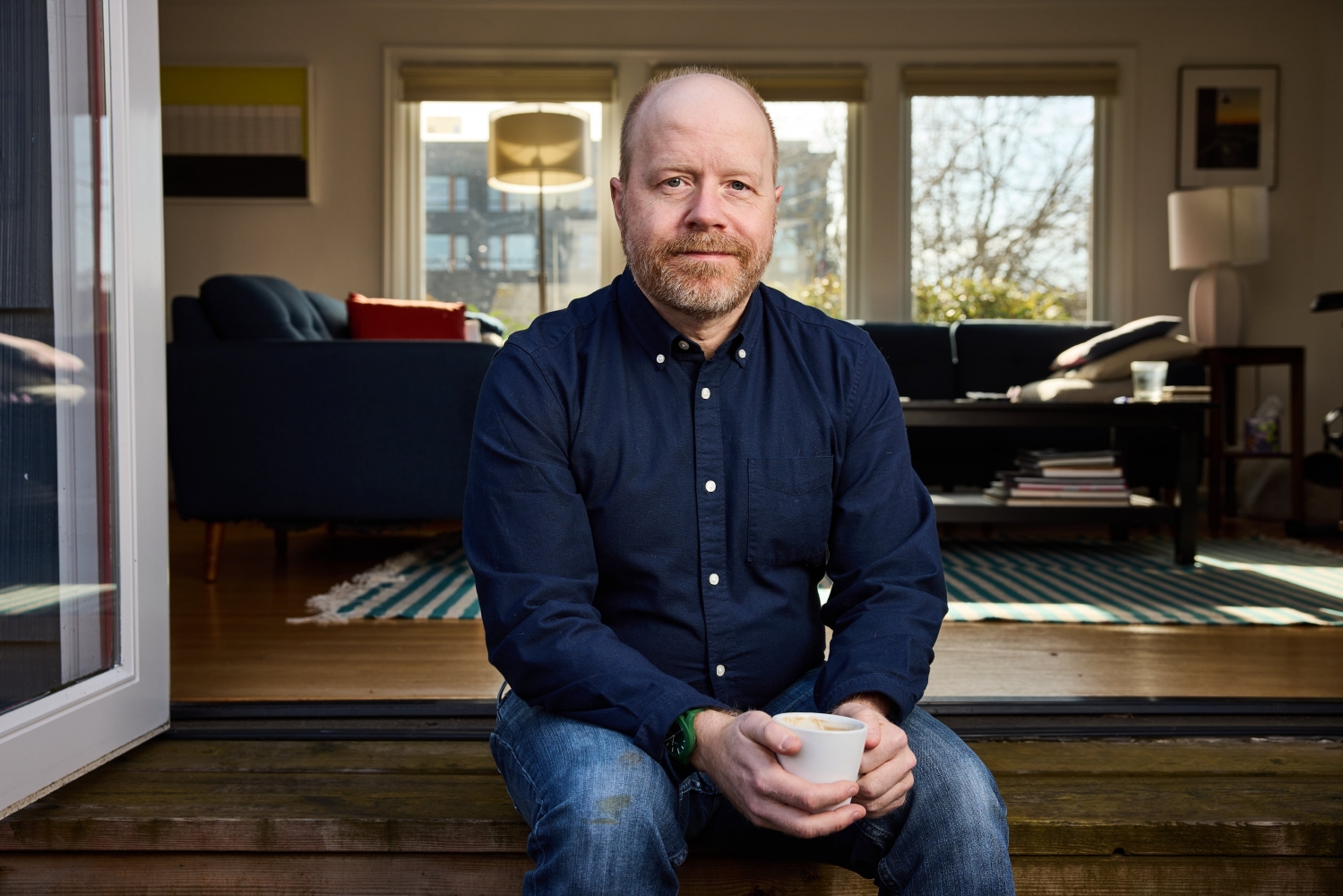
Brian Libby has lived and worked in Portland as a journalist for more than 25 years. In his new book “In Search of Portland: Exploring a Transforming City,” he peels back layers of the city’s history.
He calls the book a kind of an “anti-architecture” architectural walking tour. That sentiment comes across when he writes about how the Rose City incorporates nature into its design.
“What’s great about this city is the fact that it’s nestled in this incredible natural setting between the Cascade mountains and the ocean or between the West Hills and the Willamette River,” Libby said. “Weaving the city together with nature is really what Portland’s all about.
Downtown Portland’s Keller Fountain, for example, is meant to mimic Oregon’s iconic waterfalls. The fountain is part of landscape architect Lawrence Halprin’s open space sequence, a series of parks and outdoor spaces located downtown.
“It’s really the crown jewel of the open space sequence,” Libby said. “But it wasn’t even part of the original conception of the sequence.”
Libby explained that Halprin had to be brought back to design the fountain.
“As it happened, he had always conceived in his journals long before, years earlier, a kind of fountain that replicated a waterfall like Multnomah Falls,” Libby said. “I actually think that it’s arguable that the Keller Fountain is the greatest work of design in Portland, not any building. I just think it’s an absolute masterpiece.”

The Portland Plaza building, which towers over the surprising right angles and thunderous spray of the Keller Fountain, also has some unusual features. The 1960s modernist structure is sometimes nicknamed the Norelco building because of its three-part curves that resemble the pivoting heads of a Norelco electric shaver.
“It looks down on the Keller Fountain almost as if it’s part of the intended composition,” Libby said. “It was innovative in the way it used glass, the way the glass and the metal all blend together into one thing.”
The boxy Portland Building, with the enormous statue of Portlandia above the entrance, is another stop highlighted in the book. Libby said the statue is the second largest sculpture of its kind in the nation, second only to the Statue of Liberty in New York City.
“It was so dramatic when the Portlandia statue arrived on the Willamette River by barge. There were thousands of people lining both sides of the riverfront to greet the statue,” said Libby. “It was such a big deal, this was the second largest statue in the United States arriving by barge and being erected as the entry pedestal of this building. It was a one of a kind experience.”

Besides the gigantic statue of a woman above the entrance, the bright colors and ribbon-like details of the Portland Building make it instantly recognizable. Libby argued it might be one of the most architecturally significant buildings in the Rose City.
“It’s one of the first buildings in the United States designed in the postmodern style,” Libby said.
The ribbon-shaped formations on the side of the building are intended to make it look like a birthday gift, according to Libby.
“Michael Graves, the architect, really wanted to introduce some color and exuberance and to reference historical styles, but everything is a little bit kind of oversized,” he said. “It’s not a neohistoric building at all. It’s really a playful reinterpretation of history.”

Another highlight of the walking tour is Pioneer Courthouse square, the beating heart and natural gathering spot of downtown Portland.
“You can really see in this square that people have gathered from all over the city and there are people from other parts of the country, and the world, who have descended upon this place,” Libby said.
Libby said the transformation he’s witnessed in the city inspired him to capture some of Portland’s history in his book while also looking to the future with optimism.
“There have been other times where the city has faced moments of doubt or crisis,” said Libby. “But it’s actually precisely those moments that give us the greatest opportunities to follow our instincts and our creativity and our imagination and make this place what we want it to be.”
News Source : https://www.opb.org/article/2026/11/02/in-search-of-portland-new-book/
Other Related News

11/02/2026
Los Angeles has once again been named the rattiest city in America topping Orkins annual p...
11/02/2026
Flight cancellations and delays disrupted operations at multiple US airports Monday
11/02/2026
How much it takes to live comfortably differs from person to person It also differs from s...
11/02/2026
A former cop in South Carolina has reached a plea deal after pointing a gun at a coworker ...
11/02/2026
Four volunteers lived in isolation in a 3D-printed habitat in Texas that was designed to s...

Follow

Download Our App


Copyright 2022 © EPUERTO. All Rights Reserved