

Published on: 07/06/2026
This news was posted by Oregon Today News


Description
The federal government has released its long-awaited proposal to triple logging across three national forests in northeast Oregon and southeast Washington.
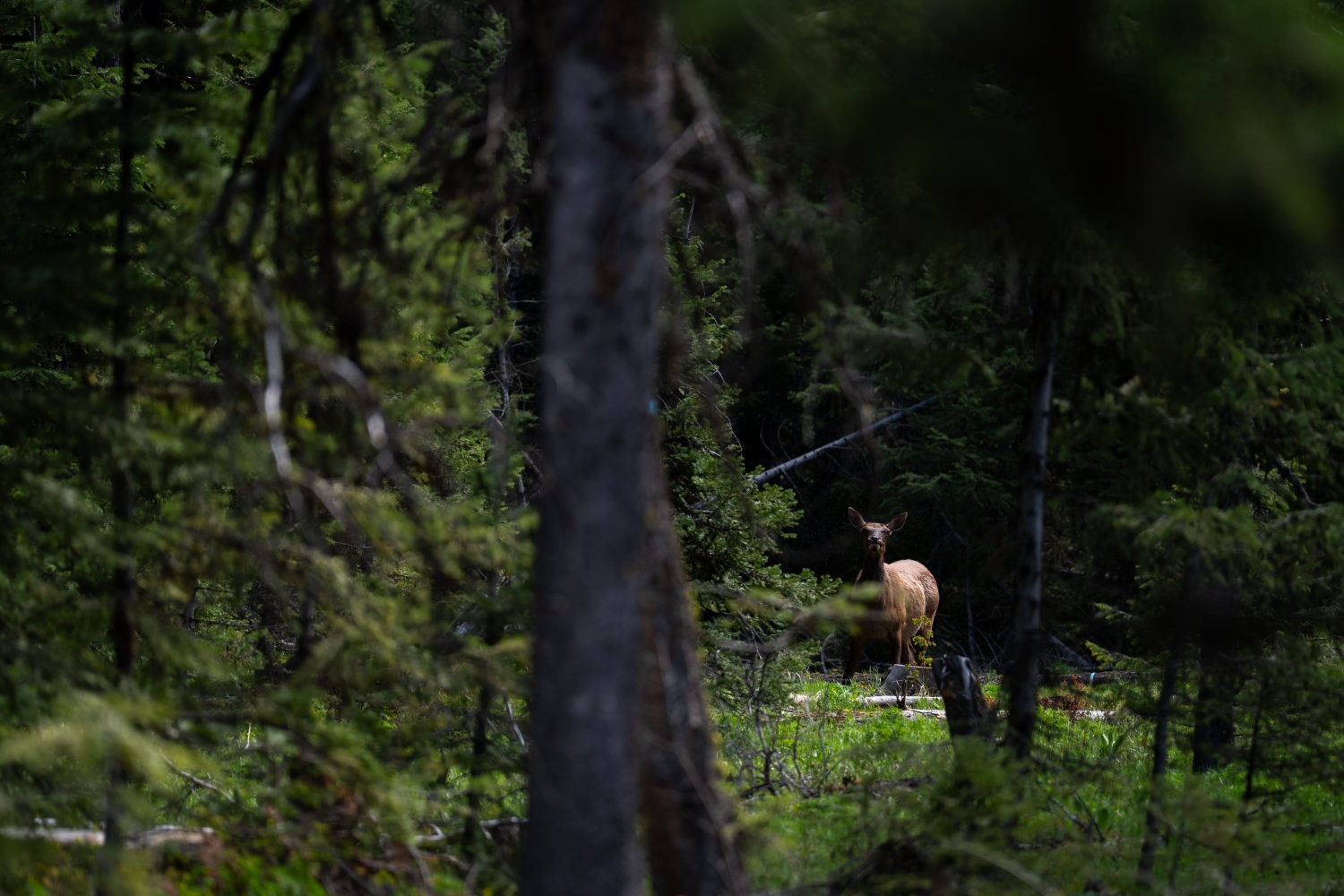
But critics say the Trump administration’s effort to boost a flagging timber industry in the Blue Mountains could ultimately harm another key pillar of the local economy: Elk hunting.
It could also push elk out of forests onto private land, where the animals could damage crops and other property, according to a regional manager with the Oregon Department of Fish and Wildlife.

The federal government’s plans for the Blue Mountains, which were released in draft form Thursday, could shape logging, recreation and environmental protections across 4.9 million acres spanning the Malheur, Umatilla and Wallowa-Whitman national forests for the next 15 years.
The Forest Service’s proposal assumes the Trump administration will rescind a policy called “the roadless rule,” which prohibits new roads in some forest areas. Dropping that policy would open 977,020 acres in the Blue Mountains forests to roadbuilding. The draft Blue Mountains plans do not include road density stipulations.
And more roads are likely to mean fewer elk.
Roads tend to bring vehicles that can scare away elk
Mechanized vehicles — cars, trucks, all-terrain vehicles, snowmobiles — scare elk away. The current Blue Mountains forest plans, published in 1990, include stipulations limiting how many roads could remain open to protect species habitat, namely for migrating elk and mule deer.
Elk hunting is a tradition deeply rooted in the culture and lifestyle of Oregonians and tribal members across the state, particularly in this region. In 2019, hunters spent about $125 million in Eastern Oregon.
Without roadbuilding or mechanized vehicle regulations, some hunters say, elk will migrate to private lands, damaging crops and turning elk hunting into more of an exclusive activity limited to private landowners and their friends.
There are around 23,200 miles of roads in the Blue Mountains forests — nearly as many miles as it would take to circle the Earth. Most are vestiges of former logging projects.
New timber sales could result in more roads, which worries some hunting advocates. But logging proponents say cutting trees will make these forests more fire-resilient, which could create more meadows where elk and deer can forage.
“Active forest management creates healthier, more resilient forests with the forage, cover, and diverse habitat big game need to thrive on public lands,” said Amanda Sullivan-Astor, forest policy manager with Associated Oregon Loggers.
Some elk hunters agree that increased logging could create meadows where elk can forage. But these hunters also say elk need more than forage alone.
“Forage doesn’t mean as much to deer and elk as it could if it doesn’t come with security,” said Tristan Henry, Oregon field representative for the Theodore Roosevelt Conservation Partnership.
Elk gain a sense of security when they’re in large, quiet spaces, far from roads with consistent traffic. Even the best foraging meadows won’t keep elk around if vehicles are tearing through thousands of miles of dense roads — most of which were created for logging projects.

Some elk hunter groups support logging operations, primarily thinning or selective logging, to bring tree density down to historic levels. A century of aggressive fire suppression by the federal government has allowed some forests to become dense with undergrowth and young trees, making them more prone to catastrophic wildfires.
When mechanized vehicles drive through the dense road network on these public lands, elk tend to migrate onto quieter private lands. Nick Myatt, east region manager for the Oregon Department of Fish and Wildlife, said a successful forest plan balances multiple needs, including road regulations and habitat protections.
“Without the ability to manage elk security on the national forests, we anticipate elk populations being more distributed on private lands where there is often less disturbance and more food,” Myatt said by email. “This trend of more elk on private land can lead to significant financial damage to irrigated agricultural lands and frustrated public land hunters.”
Forest Service officials did not immediately respond to a request to comment on the agency’s drafted plans for the Blue Mountains.
People can review and weigh in on the draft proposal on the Forest Service’s website. The agency is accepting public comments online, by email at [email protected], or by mail.
News Source : https://www.opb.org/article/2026/07/06/as-trump-focuses-on-timber-in-blue-mountains-elk-hunters-fear-habitat-could-diminish/
Other Related News

07/06/2026
PORTLAND Ore KOIN Two people were hurt in an attack that unfolded in a park in Corvallis ...
07/06/2026
Eight people were charged in connection with starting a brush fire on a beach hillside in ...
07/06/2026
A Falls City man died after the van he was driving left a road in rural eastern Oregon and...
07/06/2026
Oregon report federal immigration requests to state agencies jumped 246 in a year mostly i...
07/06/2026
A Portland police-backed initiative to hire more officers using millions of dollars from t...

Follow

Download Our App


Copyright 2022 © EPUERTO. All Rights Reserved